
Quick Answer
A psyllium fiber supplement is a plant-based soluble fiber made from the husk of the Plantago ovata seed. It’s most often used to relieve constipation, soften stool, support regularity, and help manage cholesterol and blood sugar. It comes as a powder, capsule, or gummy, and works by absorbing water in the gut to form a gel-like bulk that moves through the digestive system.
If you want the short version: it’s one of the most well-studied fiber supplements available, it’s generally safe for daily use, and it needs to be taken with enough water to work properly and comfortably.
The rest of this guide covers everything else you’d want to know before buying or taking one.
Table of Contents
What Is a Psyllium Fiber Supplement?
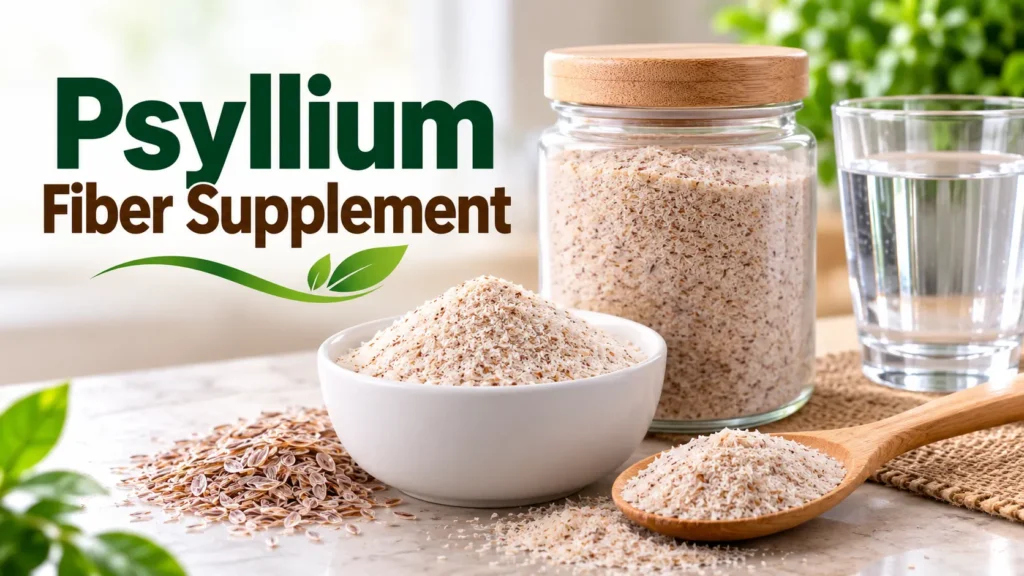
Psyllium comes from the seeds of the Plantago ovata plant, a shrub grown mainly in India. The outer husk of the seed is what gets ground into the powder you see in supplements — it’s not the seed itself, and not a synthetic fiber.
Once psyllium reaches water, it swells into a thick gel. That’s the entire mechanism behind why it works: the gel adds bulk to stool, softens it, and helps it move through the intestines more easily. It also slows down digestion slightly, which is part of why it affects blood sugar and cholesterol as well as bowel movements.
Psyllium is classified as a soluble fiber, meaning it dissolves in water rather than passing through undigested like insoluble fiber does. If you’re not sure how the two differ or which one your situation calls for, our guide on soluble vs insoluble fiber breaks it down in more detail.
How Psyllium Works in the Body
Understanding the mechanism helps explain why psyllium is recommended for such a wide range of issues.
- In the stomach and small intestine: Psyllium absorbs water and forms a viscous gel. This gel can slow the absorption of sugar and bind to bile acids (which the body makes from cholesterol).
- In the colon: The gel adds soft, bulky mass to stool, which stimulates the intestinal wall and makes bowel movements easier to pass.
- Fermentation: Unlike some fibers, psyllium is only partially fermented by gut bacteria. This is actually an advantage for people prone to bloating — it produces less gas than heavily fermentable fibers like inulin.
This combination of bulking and gel-forming action is why psyllium shows up in guidance for constipation, diarrhea, cholesterol, and blood sugar — it’s a genuinely multi-purpose fiber, which is rarer than it sounds.
Evidence-Based Benefits of Psyllium Fiber Supplements
1. Relieves Constipation
This is psyllium’s best-documented use. Clinical guidelines consistently list psyllium as a first-line fiber for chronic constipation because the gel it forms softens stool without being harsh on the gut, unlike some stimulant laxatives.
2. Helps With Diarrhea Too
Because psyllium absorbs excess water in the gut, it can also firm up loose stool. This dual action — softening hard stool, firming loose stool — is unusual among fiber supplements and is one reason doctors sometimes recommend it for IBS with mixed bowel patterns.
3. Supports Healthy Cholesterol Levels
Psyllium binds to bile acids made from cholesterol, prompting the liver to pull more cholesterol from the blood to make replacement bile acids. Multiple studies have linked regular psyllium intake to modest reductions in LDL (“bad”) cholesterol when combined with a healthy diet.
4. May Help Regulate Blood Sugar
By slowing digestion and the release of sugar into the bloodstream, psyllium can blunt post-meal blood sugar spikes. This is more relevant for people managing insulin resistance or type 2 diabetes, though it should complement — not replace — medical treatment.
5. Promotes a Feeling of Fullness
Because the gel expands in the stomach, psyllium can help some people feel fuller for longer, which is why it occasionally comes up in weight management conversations. It’s not a weight-loss supplement on its own, but appetite regulation is a legitimate secondary effect.
6. Feeds Beneficial Gut Bacteria (Modestly)
Psyllium isn’t as fermentable as prebiotic fibers like inulin or acacia, but it does provide some fuel for gut bacteria without the intense gas production those more fermentable fibers can cause.
Psyllium vs Other Common Fiber Supplements
| Fiber Type | Solubility | Common Use | Gas/Bloating Risk | Best For |
| Psyllium husk | Soluble (gel-forming) | Constipation, diarrhea, cholesterol | Low–Moderate | All-around, most versatile |
| Inulin/chicory root | Soluble (highly fermentable) | Prebiotic, gut bacteria | High | Gut microbiome support |
| Methylcellulose | Soluble (non-fermentable) | Constipation | Very low | Sensitive stomachs, IBS |
| Wheat dextrin | Soluble (fermentable) | General fiber intake | Moderate | Mixing into drinks/food |
| Acacia fiber | Soluble (fermentable) | Gut health, mild bulking | Moderate | Gentle daily fiber |
If bloating is your main concern, it’s worth comparing options directly in our guide to the best fiber supplement that doesn’t cause gas.
Forms of Psyllium Supplements
Powder — The most flexible and typically the most economical form. Mixed into water or juice. Requires consistent hydration and needs to be drunk quickly, since it thickens fast. See our breakdown of the best fiber powder options.
Capsules — Convenient and portable, with no taste or texture to manage. The tradeoff is you typically need to take several capsules to match the dose of a single scoop of powder. Compare options in our best fiber pills guide.
Gummies — The easiest form to tolerate for people who dislike swallowing pills or mixing powders, though they generally contain far less fiber per serving and more added sugar. See our best fiber gummies comparison.
Wafers/cookies — Less common, but exist as an alternative for people who want fiber that isn’t mixed into a drink.
There’s no single “best” format — it depends on your routine, dosing needs, and tolerance. Our guide on how to choose a fiber supplement covers this decision in more depth.
How to Take Psyllium Fiber Supplements
Start low, go slow. Jumping straight to a full dose is the single most common mistake. Most people do better starting with about half the labeled dose for the first few days, then increasing gradually.
Always take it with a full glass of water. Psyllium’s entire function depends on water. Without enough liquid, it can thicken in the throat or esophagus, which is uncomfortable and, in rare cases, a choking risk. Follow product instructions for the specific water-to-fiber ratio.
Drink it quickly. Psyllium mixed in water starts gelling within a minute or two. If you wait too long, it becomes difficult to drink.
Space it out from medications. Because psyllium can slow absorption of other substances in the gut, most labels recommend taking medications at least 1–2 hours before or after psyllium.
Be consistent. Fiber works cumulatively. Daily use tends to produce more stable, predictable results than occasional use. Our guide on when to take fiber supplements and the best time to take a fiber supplement covers timing strategies in more detail.
Common Mistakes People Make With Psyllium
- Not drinking enough water — the most frequent cause of discomfort or a feeling of the supplement “sitting” in the stomach.
- Increasing the dose too fast — leads to bloating and gas that could otherwise be avoided.
- Taking it at the same time as medications — can reduce how well those medications are absorbed.
- Expecting overnight results — psyllium’s effects on cholesterol and blood sugar build over weeks, not days.
- Assuming all products are dosed the same — powder, capsule, and gummy forms vary widely in fiber content per serving, so comparing products by “one serving” alone can be misleading. Always check the grams of fiber per dose, not just the serving count.
Who Should Be Cautious With Psyllium
Psyllium is well-tolerated by most healthy adults, but it isn’t right for everyone. You should talk to a doctor before starting psyllium if you have:
- A history of bowel obstruction or narrowing in the intestines
- Difficulty swallowing
- Diagnosed IBS, Crohn’s disease, or ulcerative colitis, since fiber tolerance varies significantly between individuals with these conditions
- A known allergy to psyllium or plantain-family plants (allergic reactions, while uncommon, have been reported)
- Diabetes, and are on medication where blood sugar changes need monitoring
This article is educational and does not replace personalized medical advice. If you have an existing health condition or take prescription medication regularly, check with a healthcare provider before adding any new supplement, including psyllium.
Possible Side Effects
Most side effects are mild and related to introducing fiber too quickly:
- Bloating
- Gas
- Stomach cramping
- Temporary changes in bowel habits as the body adjusts
Rare but more serious reactions can include allergic response (rash, difficulty breathing, swelling) or, in cases of insufficient water intake, esophageal or intestinal blockage. These are uncommon, but they’re the reason “take with plenty of water” appears on every psyllium label, not just as a suggestion.
Psyllium and Specific Health Goals
If you’re comparing fiber supplements for a specific situation, these related guides go deeper:
- Best fiber supplement for constipation
- Best fiber supplement for IBS
- Best fiber supplement for cholesterol
- Best fiber supplement for weight loss
- Best fiber supplement for bloating
- Best fiber supplement for gut health
And if you’re shopping by life stage rather than symptom:
Psyllium Husk vs Psyllium Fiber Supplement: Is There a Difference?
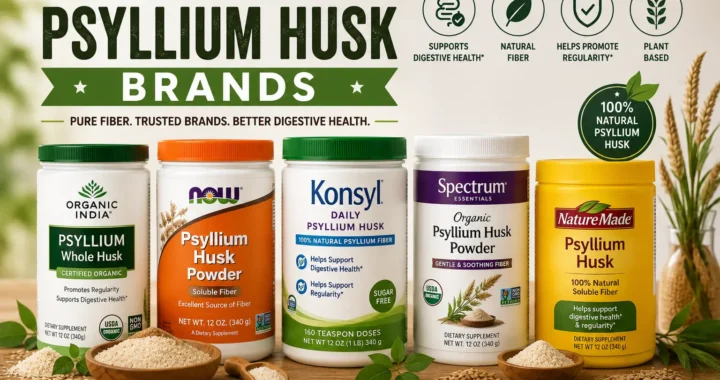
Not really — “psyllium husk” refers to the raw ingredient, while “psyllium fiber supplement” typically refers to the finished product (powder, capsule, or gummy) made from that husk. Some products list “psyllium husk powder” directly on the label; others process it further. If you want a deeper look at the raw ingredient itself, see our dedicated guide to psyllium husk and our roundup of the best psyllium husk products on the market.
Fiber Supplement vs Getting Fiber From Food
Psyllium is useful, but it’s not a substitute for a fiber-rich diet. Whole foods bring fiber alongside vitamins, minerals, and a wider range of fiber types that no single supplement replicates. A reasonable approach is using psyllium to close the gap between what you eat and what you need — not as a replacement for high-fiber foods. Our comparison of fiber supplements vs fiber foods walks through when each makes more sense.
If you’re not sure whether you need a supplement at all, do I need a fiber supplement? is a good place to start.
Frequently Asked Questions
Is psyllium the same as Metamucil? Metamucil is a brand name, and psyllium husk is its main active ingredient. Many other brands also use psyllium as their core ingredient, so “Metamucil” and “psyllium supplement” are related but not interchangeable terms — Metamucil is one specific product line among many that use psyllium.
How long does it take psyllium to work for constipation? Many people notice a bowel movement within 12 to 72 hours of starting psyllium, though consistent daily use over 1–2 weeks tends to produce more stable, predictable results.
Can I take psyllium every day? Yes, psyllium is designed for daily use and is one of the fibers most commonly recommended for long-term, regular intake, provided it’s taken with adequate water.
Does psyllium cause bloating? It can, especially if you increase the dose too quickly. Starting with a smaller amount and increasing gradually usually reduces or eliminates this.
Is psyllium a prebiotic? Partially. It feeds some gut bacteria, but it’s less fermentable than fibers like inulin, which is actually why it tends to cause less gas.
Can psyllium help with weight loss? It may support feelings of fullness, which can indirectly support weight management, but it isn’t a standalone weight-loss supplement.
Is psyllium safe during pregnancy? Fiber needs often increase during pregnancy, and psyllium is generally considered acceptable, but you should confirm with your doctor first. See our dedicated guide on fiber supplements during pregnancy for more detail.
What’s the difference between psyllium powder and psyllium capsules? They contain the same active ingredient, but powder allows more precise, flexible dosing, while capsules are more convenient and don’t require mixing with water (though you still need to drink water alongside them).
Final Verdict
A psyllium fiber supplement is one of the most versatile, well-researched fiber options available — it supports regularity, can help with both constipation and diarrhea, and has real, evidence-backed effects on cholesterol and blood sugar. It’s not the right fit for everyone, particularly people with certain digestive conditions or swallowing difficulties, but for most healthy adults looking to close a fiber gap, it’s a reasonable, low-risk place to start.
The details that actually matter when choosing one aren’t the marketing claims on the front of the bottle — they’re the fiber-per-serving amount, the form that fits your routine, and whether you’re realistically going to drink enough water with it. Get those three right, and psyllium tends to do exactly what it’s supposed to.
For a broader look at how psyllium compares to other options before you buy, our best soluble fiber supplement guide is a useful next step.