
Best Fiber Supplement for Cholesterol: If your doctor mentioned your cholesterol numbers are climbing, you’ve probably already heard that fiber can help. But “eat more fiber” is vague advice, and not all fiber supplements actually lower cholesterol. Some are built for regularity. Others are built specifically to pull LDL (“bad”) cholesterol down.If your doctor mentioned your cholesterol numbers are climbing, you’ve probably already heard that fiber can help. But “eat more fiber” is vague advice, and not all fiber supplements actually lower cholesterol. Some are built for regularity. Others are built specifically to pull LDL (“bad”) cholesterol down.
This guide cuts through that confusion. You’ll learn exactly which type of fiber works for cholesterol, how much you actually need, which supplement forms are worth your money, and how to use one safely alongside — never instead of — your doctor’s guidance.
Table of Contents
Quick Answer
The best fiber supplement for cholesterol is one built around soluble, viscous fiber — specifically psyllium husk or oat beta-glucan. These are the two fiber types with the strongest clinical evidence for lowering LDL cholesterol, typically in the range of 5–10% with consistent daily use over several weeks. Psyllium husk supplements (powder or capsule form) are generally the most practical and best-studied option for most adults.
Why Fiber Type Matters More Than the Brand
This is the single biggest thing competitor articles gloss over: not all fiber is cholesterol fiber.
Fiber splits into two broad categories:
- Soluble fiber — dissolves in water and forms a gel-like substance in your gut
- Insoluble fiber — adds bulk to stool but doesn’t dissolve
Only soluble fiber — and specifically the viscous kind — has a meaningful, repeatable effect on cholesterol. Insoluble fiber (found in wheat bran, many “regularity” blends) is excellent for digestion but does essentially nothing for your lipid panel.
This distinction matters because many popular fiber products on store shelves are blends of both types, diluting the cholesterol-lowering effect. If your goal is specifically cholesterol, check the label for the amount of soluble fiber per serving — not just total fiber.
For a deeper breakdown, see our guide on soluble vs. insoluble fiber.
How Soluble Fiber Lowers Cholesterol
Understanding the mechanism helps you use fiber correctly instead of just taking it on faith.
- It binds bile acids. Your liver makes bile acids from cholesterol to digest fat. Viscous soluble fiber binds to these bile acids in the gut and carries them out in stool.
- Your liver compensates by pulling cholesterol from the blood. To replace the lost bile acids, the liver pulls more LDL cholesterol out of circulation to make new ones.
- Net effect: lower circulating LDL. Over weeks of consistent intake, this can produce measurable reductions in LDL cholesterol.
There’s a secondary mechanism too: fermentation of soluble fiber by gut bacteria produces short-chain fatty acids, which may modestly reduce cholesterol production in the liver. This effect is smaller and still being studied, so it’s worth mentioning honestly rather than overselling it.
The Two Fiber Types With Real Evidence
1. Psyllium Husk
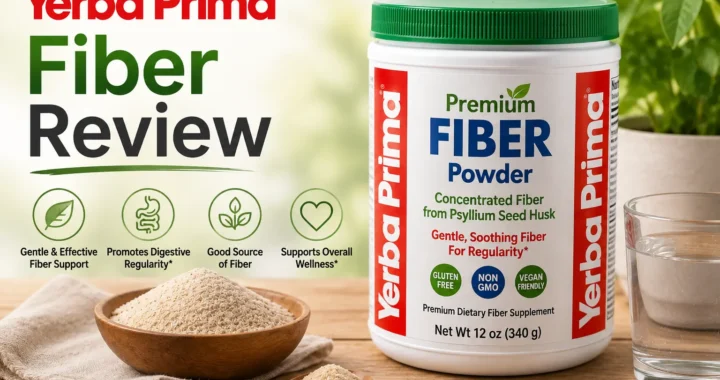
Psyllium is the most extensively studied fiber for cholesterol. It’s highly viscous, meaning it forms a very thick gel — which is exactly the property that drives the bile-acid-binding effect described above.
- Typical effective dose: 7–10.2 grams per day, split across meals
- Best for: People who want a well-researched, flexible option available as powder, capsules, or wafers
- Also helps with: Regularity and stool consistency, which is a nice secondary benefit
Learn more in our psyllium husk guide or see our picks for the best psyllium husk supplements.
2. Oat Beta-Glucan
Beta-glucan is the soluble fiber found in oats and barley. It has strong, well-established evidence for lowering LDL cholesterol, which is why regulatory bodies in the US and EU allow oat products to carry heart-health claims.
- Typical effective dose: 3 grams per day of beta-glucan specifically (not just “oats”)
- Best for: People who prefer getting fiber through fortified oat-based products or standalone beta-glucan supplements
- Note: You’d need a large bowl of plain oatmeal to hit 3g of beta-glucan from food alone — this is where a concentrated supplement can help close the gap
Other Fibers: Where They Fit
- Glucomannan — viscous and has some cholesterol-lowering evidence, though less robust than psyllium or beta-glucan. More commonly used for appetite control and weight management.
- Inulin/chicory root — mostly used for gut health and mild prebiotic effects; evidence for cholesterol is weak.
- Methylcellulose — a synthetic soluble fiber, gentler on the gut, but with limited cholesterol-specific research compared to psyllium.
This is a gap in most competitor content: they list fiber types without ranking them by strength of evidence. Here it is side by side.
Comparison Table: Fiber Types for Cholesterol
| Fiber Type | Cholesterol Evidence | Typical Effective Dose | Best For |
| Psyllium husk | Strong | 7–10.2 g/day | Most people; flexible dosing |
| Oat beta-glucan | Strong | 3 g/day | Those who prefer oat-based sources |
| Glucomannan | Moderate | 2–4 g/day | Cholesterol + appetite/weight goals |
| Methylcellulose | Limited | Varies | Sensitive digestive systems |
| Inulin/chicory root | Weak | N/A for cholesterol | Gut health, not cholesterol |
| Wheat bran (insoluble) | None | N/A | Regularity only |
How Much Cholesterol Reduction Can You Realistically Expect?
Be wary of any source promising dramatic results. Clinical research on soluble fiber, particularly psyllium, generally shows:
- LDL cholesterol reductions of roughly 5–10% with consistent daily use over 4–8+ weeks
- Modest or no significant change in HDL (“good”) cholesterol
- Small reductions in total cholesterol, following the LDL drop
This is a meaningful, evidence-backed effect — but fiber is a complementary tool, not a replacement for statins or other prescribed cholesterol medication if your doctor has recommended them. Combined with diet, exercise, and (when needed) medication, fiber can be a genuinely useful part of a cholesterol-management plan.
Powder, Capsule, or Gummy: Which Form Actually Works Best?
This is a practical question competitors rarely answer clearly.
Powder is generally the best choice for cholesterol specifically, because:
- It delivers fiber in concentrated, mixable doses (easy to hit 7g+ of psyllium)
- It’s usually the most cost-effective per gram of fiber
- Dosing is easy to adjust gradually
Capsules work well if you dislike the texture of psyllium gel, but you’ll often need to take several capsules to match the effective dose used in research — check the label math before assuming a “3 capsules” serving is enough.
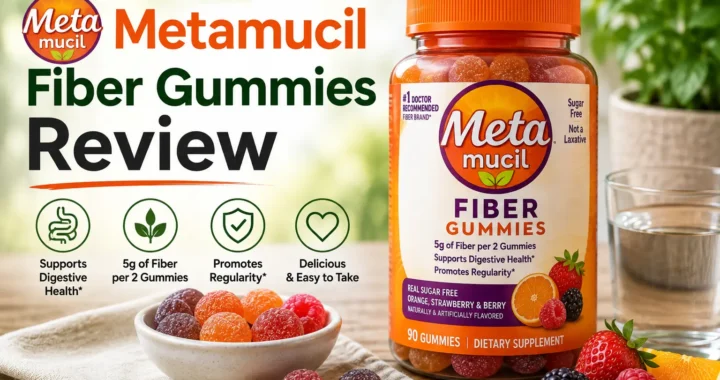
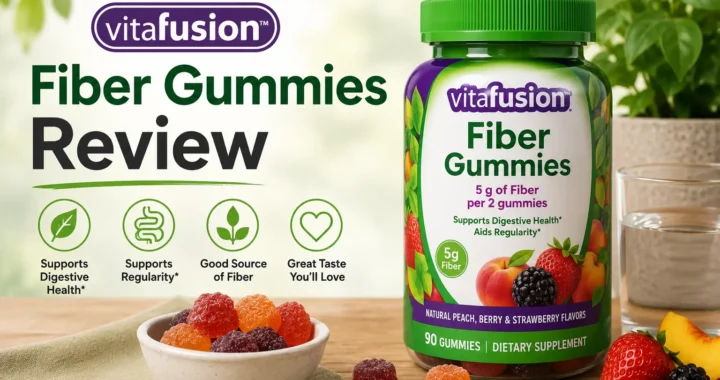
Gummies are the least efficient option for cholesterol. They typically contain only 2–4 grams of fiber per serving (often less soluble fiber than that), which falls well short of studied doses. They’re better suited to people prioritizing taste and convenience over a specific cholesterol target. If gummies still appeal to you, our fiber gummies guide explains what to look for.
For a fuller comparison of formats, see best fiber powder and best fiber pills.
How to Choose the Right Fiber Supplement for Cholesterol
Use this simple decision framework:
- Check the soluble fiber content per serving, not just total fiber — this is the number that matters for cholesterol.
- Favor psyllium husk or beta-glucan as the primary ingredient over blends dominated by insoluble fiber or inulin.
- Match the dose to research-backed amounts (7–10.2g psyllium or 3g beta-glucan daily), split across 2–3 servings rather than one large dose.
- Choose unflavored or low-sugar options if you’re also managing blood sugar or weight, since cholesterol and metabolic health often go hand in hand.
- Pick a form you’ll actually take daily — consistency matters more than perfection. A powder you skip half the week is less useful than a capsule you take every day.
For a broader walkthrough of this process, see our guide on how to choose a fiber supplement.
Common Mistakes People Make
- Not drinking enough water. Viscous fiber needs fluid to form its gel properly; too little water can cause bloating or discomfort.
- Increasing intake too quickly. Jumping straight to 10g of psyllium can cause gas and cramping. Start with 3–5g and increase over 1–2 weeks.
- Choosing a fiber blend for regularity and expecting cholesterol results. Read the soluble fiber line on the label, not just “dietary fiber.”
- Taking fiber at the same time as certain medications. Fiber can affect the absorption of some drugs; space fiber supplements at least 1–2 hours apart from medications unless your doctor or pharmacist says otherwise.
- Expecting fast results. Cholesterol changes from fiber typically show up over weeks, not days — bloodwork should be rechecked at the interval your doctor recommends.
Fiber Supplements vs. Fiber-Rich Foods
Supplements aren’t the only path — and for some people, food sources may be preferable or complementary. Oats, beans, lentils, apples, and Brussels sprouts are all naturally rich in soluble fiber. The tradeoff is consistency: it’s easier to hit a precise gram target with a measured supplement than by tracking food intake daily.
See our comparison of fiber supplements vs. fiber foods and our list of high-fiber foods if you’d rather build this into meals.
Who Should Talk to a Doctor First
Fiber supplements are generally well-tolerated, but check with a healthcare provider before starting if you:
- Take prescription medications, especially for diabetes, thyroid conditions, or heart disease
- Have a history of bowel obstruction or swallowing difficulties
- Are pregnant, breastfeeding, or managing another chronic condition
- Have very high cholesterol requiring more than lifestyle changes alone
This article is educational and not a substitute for personalized medical advice.
Frequently Asked Questions
How long does it take for fiber to lower cholesterol? Most studies show measurable LDL reductions after 4–8 weeks of consistent daily use. Some people notice changes sooner, others later — bloodwork is the only reliable way to confirm your own response.
Can I take fiber supplements with statins? Many people do, but fiber can affect how some medications are absorbed. Take fiber at a different time than medications (generally 1–2 hours apart) and confirm with your doctor or pharmacist.
Is psyllium or Metamucil better for cholesterol? Metamucil’s active ingredient is psyllium husk, so the cholesterol-related evidence applies to the ingredient itself, not just one brand. Any product with an equivalent psyllium dose can offer similar effects — this comes down to price, form, and personal preference rather than brand exclusivity.
Do fiber gummies lower cholesterol? Most fiber gummies contain too little soluble fiber per serving to match the doses used in cholesterol research. They may offer some benefit, but a powder or capsule form is usually more effective for this specific goal.
Can I get enough cholesterol-lowering fiber from food alone? Yes, it’s possible with consistent intake of oats, beans, and other soluble-fiber-rich foods, but many people find it easier to hit an exact gram target with a supplement, especially early on.
Does insoluble fiber help cholesterol at all? Not meaningfully. Insoluble fiber supports digestion and regularity but doesn’t bind bile acids the way soluble fiber does.
Final Verdict
For cholesterol specifically, psyllium husk is the most well-rounded choice — it has the strongest and broadest evidence base, flexible dosing, and works in powder or capsule form. Oat beta-glucan is a strong second option, particularly for people who prefer oat-based products. Whichever you choose, focus on the soluble fiber content per serving, build up your dose gradually, and treat it as one part of a broader cholesterol-management plan alongside diet, activity, and medical guidance.
If you’re exploring fiber for other goals alongside cholesterol, you may also find these guides useful: best fiber supplement for women, best fiber supplement for men, and best fiber supplement for seniors.