
The best fiber supplement for weight loss is one built around viscous, soluble fiber — the kind that turns into a thick gel in your stomach and keeps you full for hours. Three types have the strongest evidence behind them:
- Glucomannan — the most researched fiber for appetite control and modest weight loss
- Psyllium husk — well-tolerated, affordable, and backed by decades of clinical use
- Partially hydrolyzed guar gum (PHGG) — gentle on digestion, good for daily consistency
No fiber supplement burns fat on its own. What it does is help you eat less without constant willpower, by making meals feel more filling and cravings easier to manage. It works best alongside a moderate calorie deficit, not as a replacement for one.
Table of Contents
How Fiber Actually Helps With Weight Loss
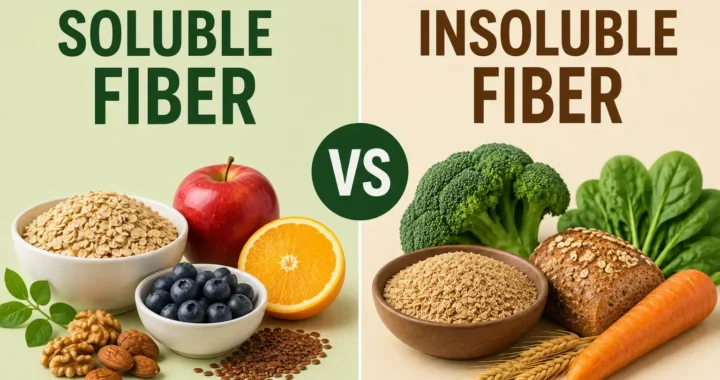
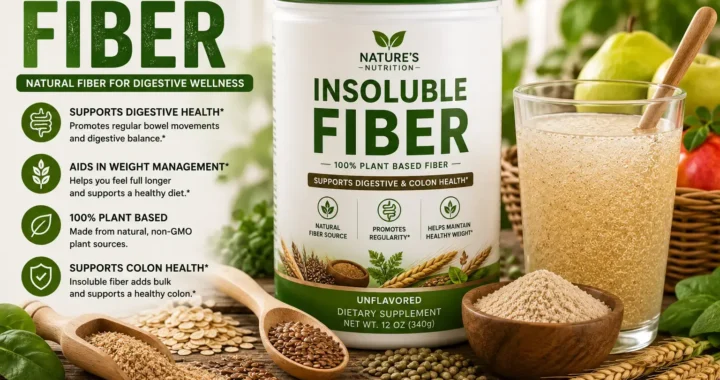
Fiber doesn’t get digested the way carbs, fat, or protein do. Instead, it moves through your gut mostly intact, and depending on the type, it either dissolves into a gel (soluble fiber) or adds bulk without dissolving (insoluble fiber).
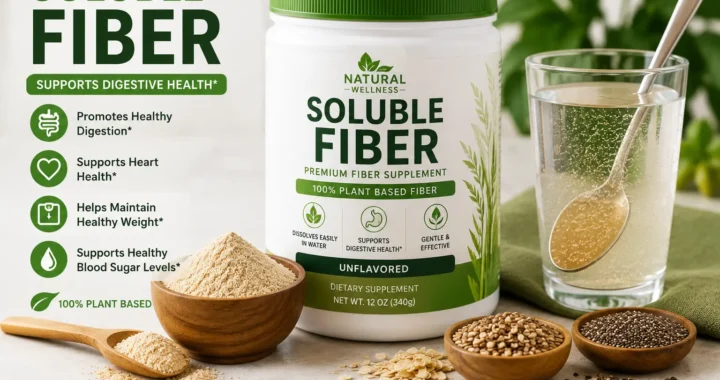
For weight loss, soluble fiber is the one that matters. Here’s the mechanism, in plain terms:
- It absorbs water and swells. Some soluble fibers, like glucomannan, can absorb dozens of times their weight in water. That bulk takes up physical space in your stomach.
- It slows gastric emptying. Food stays in your stomach longer, which delays the “I’m hungry again” signal.
- It blunts blood sugar spikes. By slowing how fast sugar enters your bloodstream, soluble fiber helps prevent the crash-and-craving cycle that often follows a high-carb meal.
- It feeds your gut bacteria. Fermentable fibers (inulin, acacia, PHGG) are broken down by gut bacteria into short-chain fatty acids, some of which are linked to appetite-regulating hormones like GLP-1 and PYY.
None of this replaces a calorie deficit. Fiber is a tool that makes maintaining one easier — it’s not a substitute for it.
The Fiber Types Worth Knowing
Not all fiber supplements are built the same way. If a label just says “dietary fiber” or “fiber blend” without naming the source, you can’t judge how well it will actually work or how it will feel to use.
| Fiber Type | Soluble/Viscous? | Typical Daily Dose | Best For | Watch Out For |
| Glucomannan (konjac root) | Yes, highly viscous | 1–4 g, split into 2–3 doses before meals | Strongest evidence for appetite suppression | Must be taken with plenty of water; swells fast |
| Psyllium husk | Yes, moderately viscous | 5–10 g, 1–2 times daily | Consistent daily use, cholesterol support | Can feel gritty in water; start low |
| PHGG (guar gum, hydrolyzed) | Yes, mild viscosity | 5–15 g daily | Sensitive stomachs, low bloating risk | Slower-acting for satiety |
| Inulin / chicory root | Partially soluble, fermentable | 5–10 g daily | Feeding gut bacteria | High gas and bloating risk at high doses |
| Acacia fiber | Soluble, low viscosity | 5–15 g daily | Very gentle, low bloating | Weaker satiety effect than glucomannan |
| Wheat dextrin | Soluble, low viscosity | 5–10 g daily | Easy to mix, no taste | Minimal effect on fullness |
If your main goal is appetite control for weight loss, glucomannan and psyllium have the most direct evidence. If your stomach is sensitive to fiber in general, PHGG or acacia are gentler starting points, even though the satiety effect is milder.
What the Research Actually Shows
It’s worth being honest about the size of the effect, because a lot of marketing overstates it.
- Studies on glucomannan generally show modest weight loss — often in the range of a few extra pounds over 8–12 weeks compared to placebo, and usually only when paired with a reduced-calorie diet.
- Psyllium has stronger evidence for cholesterol reduction and blood sugar control than for weight loss specifically, though its satiety effect can indirectly support lower calorie intake.
- Fiber intake overall is strongly linked to lower body weight and better weight maintenance in observational studies, but supplements added on top of an otherwise poor diet tend to produce smaller results than getting fiber from whole foods first.
That last point matters: a fiber supplement works best as a bridge for the gap between what you eat and the 25–38 grams of daily fiber most adults need — not as a standalone weight loss product.
How to Choose the Best Fiber Supplement for Weight Loss
Use this checklist before buying:
- Named fiber source. Look for glucomannan, psyllium husk, or PHGG specifically listed — not just “fiber blend.”
- Real dose per serving. Check the grams of fiber per serving, not per container. A product needing 4 large capsules to hit an effective dose is less practical than a 5–10 g powder scoop.
- No added sugar. Sugar-sweetened fiber gummies or drink mixes work against the goal. Look for zero sugar or a low-calorie sweetener.
- Third-party testing. Especially important for powders and capsules, since fiber supplements aren’t tightly regulated.
- Format you’ll actually use daily. Consistency matters more than the “best” fiber on paper. A capsule you forget to take is worse than a powder you mix into water every morning.
Fiber Supplement Formats Compared
| Format | Pros | Cons |
| Powder (mixed in water) | Easiest to hit an effective dose, cheaper per gram | Requires mixing, some have texture |
| Capsules | No taste, portable | Often need 4–8 capsules for a real dose |
| Gummies | Pleasant to take | Usually contain added sugar, low fiber per serving |
| Fiber-fortified drink mixes | Convenient, flavored | Check for hidden sugar or artificial sweeteners |
How to Use a Fiber Supplement for Weight Loss (Without Wrecking Your Gut)
The single biggest mistake people make with fiber supplements is going from zero to a full dose overnight. This is almost always what causes bloating, gas, or cramping — not the fiber itself.
A safer approach:
- Start at roughly half the recommended serving for the first 3–4 days.
- Increase gradually to the full dose over 1–2 weeks.
- Always take fiber with a full glass of water (at least 8 oz) — this is especially critical for glucomannan, which expands significantly.
- Take fiber supplements 30–60 minutes before a meal for the strongest appetite effect.
- If you take medications, space fiber at least 1 hour before or 2–4 hours after, since fiber can bind to and reduce absorption of some drugs.
Common mistakes that blunt results:
- Taking fiber but not increasing water intake to match
- Expecting noticeable weight loss without any change to overall calorie intake
- Jumping straight to a high dose and quitting after a bad first day
- Choosing a fiber gummy with more sugar than fiber
- Relying on fiber supplements instead of increasing fiber-rich whole foods (vegetables, legumes, oats)
Fiber Supplements vs. Fiber-Rich Foods
Supplements are convenient, but they aren’t automatically better than food sources.
| Fiber Supplements | Whole Food Fiber (oats, beans, vegetables) | |
| Convenience | High | Requires meal planning |
| Speed to effective dose | Fast | Slower, spread across meals |
| Additional nutrients | Minimal | Vitamins, minerals, protein, antioxidants |
| Cost per gram of fiber | Often higher | Usually lower |
| Best use case | Filling gaps, appetite control before meals | Foundation of daily fiber intake |
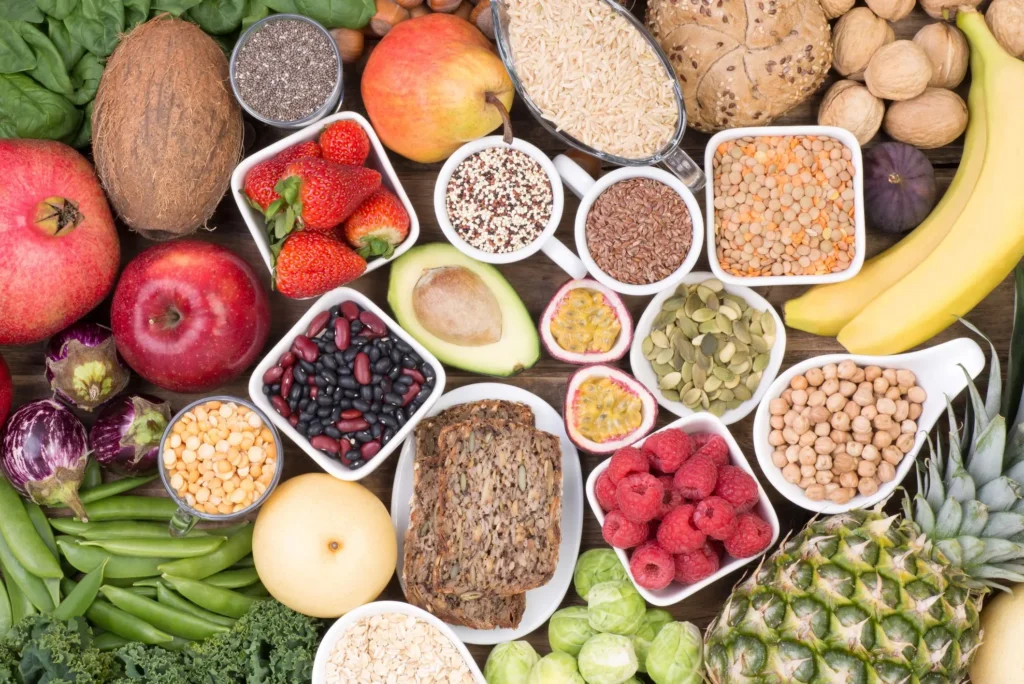
The most realistic strategy for most people is using whole foods as the base and a supplement to close the remaining gap, rather than choosing one over the other entirely.
Who Should Be Cautious With Fiber Supplements
Fiber supplements are generally considered safe for most healthy adults, but a few groups should talk to a doctor before starting one:
- People with a history of bowel obstruction or strictures
- People with swallowing difficulties (glucomannan in tablet form has a rare choking risk if not taken with enough water)
- Anyone on medications with a narrow therapeutic window, since fiber can affect absorption timing
- People with diagnosed IBS, who may react differently to fermentable fibers like inulin
This article is educational and isn’t a substitute for personalized medical advice, especially if you have an existing digestive condition or take prescription medication.
Frequently Asked Questions
Does fiber alone cause weight loss? Not on its own. Fiber supports weight loss indirectly by increasing fullness and reducing overall calorie intake. It works best combined with a balanced, moderately reduced-calorie diet.
Which fiber is best for belly fat specifically? No fiber targets fat in one area. Some research links higher soluble fiber intake to lower visceral (belly) fat over time, likely through better appetite regulation and blood sugar control — but this is a gradual, whole-body effect, not spot reduction.
How long does it take to see results from a fiber supplement? Most people notice improved fullness within days, but measurable weight changes in studies typically take 8–12 weeks of consistent use alongside dietary changes.
Can I take fiber supplements every day long-term? Yes, for most healthy adults, daily use is considered safe. Staying well hydrated and choosing a well-tolerated type (like psyllium or PHGG) makes long-term use more comfortable.
Is glucomannan or psyllium better for weight loss? Glucomannan has slightly more direct evidence for appetite suppression, but psyllium is gentler for many people and easier to sustain daily. The “better” one is often whichever you can use consistently without digestive discomfort.
Can fiber supplements replace vegetables and whole grains? No. They fill gaps in fiber intake but don’t provide the vitamins, minerals, and other plant compounds found in whole foods.
Final Verdict
If you want the single best-evidenced option, glucomannan has the strongest research behind it specifically for appetite control and weight management. If you want something gentler for daily, long-term use, psyllium husk or PHGG are excellent, well-tolerated alternatives.
The fiber type matters less than most marketing suggests. What matters more: choosing a supplement with a real, named fiber source, starting slow, staying hydrated, and pairing it with an actual calorie-conscious diet. Used that way, a fiber supplement becomes a genuinely useful tool for weight loss — not a magic fix.
For more detailed picks by category, see our guides on the best fiber supplement overall, the best fiber supplement for women, and the best fiber supplement for constipation.