
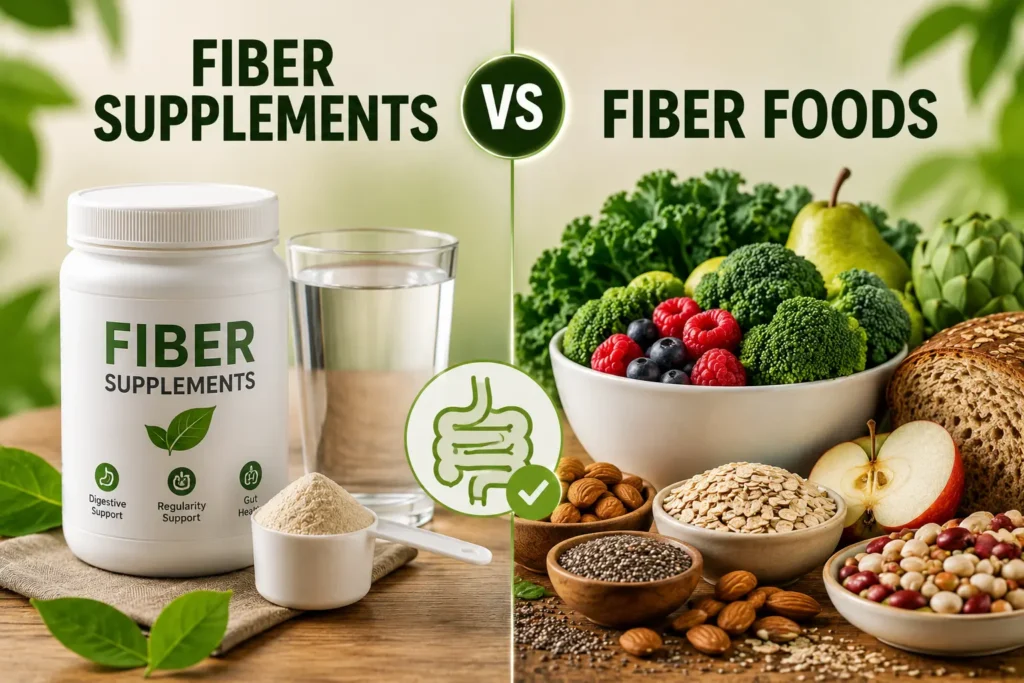
Fiber Supplements vs Fiber Foods: Fiber foods win on overall health, while fiber supplements win on convenience. Whole foods like beans, oats, fruits, and vegetables provide fiber along with essential vitamins, minerals, antioxidants, and water that work together to support heart health, digestive function, and overall well-being. In contrast, fiber supplements offer a concentrated, isolated dose of one or two types of fiber, making them useful for filling dietary gaps or managing specific issues like constipation. However, they cannot fully replace the complete nutritional benefits that come from eating fiber-rich whole foods.
The best approach for most people isn’t choosing one over the other. It’s building your diet around high fiber foods first, then using a fiber supplement strategically to fill in what your meals don’t cover.
Why This Comparison Matters
Only a small fraction of adults hit their daily fiber target, and the average person eats about half of what’s recommended. That gap has real consequences: low fiber intake is linked to constipation, blood sugar spikes, higher cholesterol, and increased long-term risk of heart disease and type 2 diabetes.
Faced with that gap, a lot of people reach for the fastest fix — a scoop of powder or a gummy — instead of asking what their body actually needs. That’s the wrong starting point. Understanding what fiber supplements and fiber foods each do differently in your body helps you make a decision based on your actual goals, not on packaging claims.
Table of Contents
What Is Dietary Fiber, Exactly?
Dietary fiber is the part of plant food your body can’t fully digest. Instead of being broken down and absorbed like sugar or starch, it travels through your digestive system mostly intact, where it feeds gut bacteria, adds bulk to stool, and slows down digestion.
Fiber comes in two broad categories, and most foods contain a mix of both:
- Soluble fiber dissolves in water and forms a gel-like substance. It slows digestion, helps you feel full longer, and can help lower LDL (“bad”) cholesterol and steady blood sugar. Found in oats, beans, apples, and psyllium husk.
- Insoluble fiber doesn’t dissolve in water. It adds bulk to stool and helps move waste through the digestive tract more efficiently. Found in whole grains, nuts, and vegetable skins.
If you want a deeper breakdown of how these two types behave differently in the body, see our full guide on soluble vs insoluble fiber.
Fiber Supplements: What They Are and How They Work
A fiber supplement is an isolated, concentrated source of fiber — usually one or two specific types — sold as a powder, capsule, gummy, or chewable. Common ingredients include:
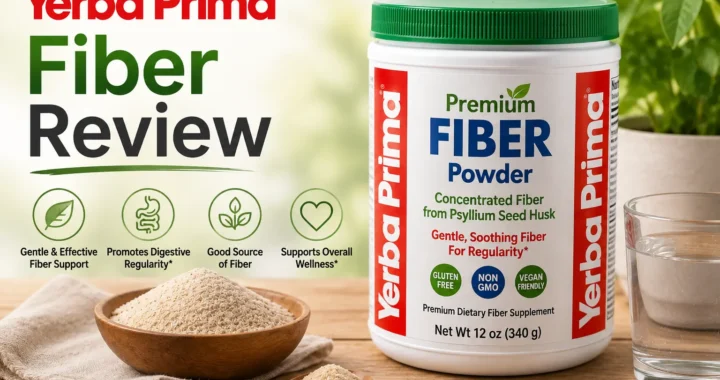
- Psyllium husk — a soluble, gel-forming fiber shown to help lower LDL cholesterol and ease constipation
- Inulin — a soluble fiber often added to “high fiber” packaged foods and drinks
- Methylcellulose — a synthetic soluble fiber that’s gentler and less prone to causing gas
- Wheat dextrin — a soluble fiber that dissolves easily and is often nearly tasteless
- Calcium polycarbophil — an insoluble bulking agent used mainly for regularity
If you’re not sure which ingredient fits your situation, our guide to what a fiber supplement actually is breaks down each type in more detail.
What Fiber Supplements Do Well
- Close a fiber gap quickly. If your diet is genuinely low in fiber, a supplement adds grams fast without needing a diet overhaul.
- Support regularity. Bulk-forming supplements like psyllium are well studied for relieving constipation.
- Help manage cholesterol. Viscous, gel-forming fibers such as psyllium have consistent evidence for modestly lowering LDL cholesterol.
- Offer precise dosing. You know exactly how many grams you’re getting per serving, which is harder to track with whole food.
- Travel and convenience. Easy to take on the go, with no prep or refrigeration.
Where Fiber Supplements Fall Short
Research consistently shows an important distinction: fiber supplements are not a substitute for fiber-rich whole foods, even though both are often lumped together under “fiber is good for you.” The clinical benefits proven for fiber supplements are tied to specific fiber characteristics — like gel-forming viscosity — and only apply to a subset of supplement products, not all of them.
- They isolate one nutrient. A supplement gives you fiber and little else. Whole foods deliver fiber alongside vitamins, minerals, polyphenols, and healthy fats that work together.
- Response varies by person. Stanford researchers comparing two common supplement fibers (inulin and arabinoxylan, the active ingredient in psyllium-based products) found people respond very differently — some saw benefits, others saw increased inflammation, especially with high-dose inulin.
- They don’t replace the fluid and structure of food. Whole foods bring water content and physical structure that affect digestion in ways an isolated powder doesn’t.
- Overuse can cause side effects. Gas, bloating, and cramping are common when supplement fiber is increased too quickly or taken without enough water.
High Fiber Foods: What They Are and How They Work
High fiber foods are whole or minimally processed plant foods that naturally contain meaningful amounts of fiber — think legumes, whole grains, fruits, vegetables, nuts, and seeds. For a full list of what to eat and how much fiber each food provides, see our guide to high fiber foods.
What Fiber Foods Do Well
- Deliver a complete nutrient package. An apple isn’t just fiber — it’s fiber plus vitamin C, potassium, and antioxidants that appear to work together, not in isolation.
- Provide both fiber types naturally. Most whole foods contain a mix of soluble and insoluble fiber, which is harder to replicate from a single supplement.
- Support long-term disease prevention. People who get most of their fiber from plant foods rather than supplements tend to have lower rates of heart disease, type 2 diabetes, and other chronic conditions.
- Feed a more diverse gut microbiome. Different plant fibers feed different strains of gut bacteria, which supports a more varied, resilient microbiome than one isolated fiber source can.
- Come with fewer digestive surprises. Because fiber is embedded in the food’s natural structure, whole foods tend to be gentler on digestion when eaten consistently.
Where Fiber Foods Fall Short
- Harder to track precisely. Estimating grams of fiber from a mixed plate takes more effort than reading a supplement label.
- Time and prep required. Cooking beans, roasting vegetables, or prepping overnight oats takes planning that a supplement doesn’t.
- Can be harder to eat enough of. Some people genuinely struggle to eat 25–38 grams of fiber a day through food alone, especially with a busy schedule or limited access to fresh produce.
- Cost and access vary. Fresh produce and whole grains can be less accessible or more expensive than a bottle of supplement powder, depending on where you live.
Fiber Supplements vs Fiber Foods: Side-by-Side Comparison
| Factor | Fiber Supplements | Fiber Foods |
| Nutrient completeness | Isolated fiber only | Fiber + vitamins, minerals, antioxidants |
| Fiber type per serving | Usually one type | Usually a natural mix of soluble + insoluble |
| Precision of dosing | Exact, easy to measure | Estimated, harder to measure |
| Convenience | High — no prep needed | Lower — requires cooking/prep |
| Evidence for cholesterol/blood sugar | Strong for specific gel-forming fibers (e.g., psyllium) | Strong overall, tied to whole-diet patterns |
| Long-term disease prevention data | Limited/mixed | Strong and consistent |
| Gut microbiome diversity support | Narrow (one fiber source) | Broad (many fiber types) |
| Individual response consistency | Variable — can help or backfire | Generally more predictable |
| Best used for | Filling a short-term gap, specific symptoms | Long-term daily nutrition foundation |
Pros and Cons at a Glance
Fiber Supplements
- Pros: fast, precise, convenient, useful for targeted issues like constipation or cholesterol
- Cons: isolated nutrient, variable individual response, no accompanying nutrients, possible bloating if overused
Fiber Foods
- Pros: complete nutrition, natural fiber mix, stronger long-term health evidence, supports microbiome diversity
- Cons: requires planning and prep, harder to measure precisely, may not close a large fiber gap quickly on its own
Common Mistakes People Make
- Relying only on supplements and assuming it “counts the same” as eating whole foods. It closes the fiber-gram gap, but not the nutrient gap.
- Increasing fiber intake too fast. Whether from food or a supplement, jumping from low to high fiber overnight commonly causes gas, bloating, and cramping. Increase gradually over 1–2 weeks.
- Not drinking enough water. Fiber — especially soluble, gel-forming fiber — needs adequate fluid to work properly and avoid constipation instead of relieving it.
- Choosing a supplement based on marketing, not fiber type. Not all fiber supplements act the same way in the body; what works for cholesterol may not work for regularity, and vice versa.
- Assuming more fiber is always better. Very high doses of certain fibers, like inulin, have been linked to increased inflammation in some people. More isn’t automatically better — the right type and amount matters.
Who Should Consider a Fiber Supplement?
A fiber supplement can make sense if you:
- Consistently fall short of your daily fiber target despite trying to eat more produce and whole grains
- Have doctor-recommended goals around cholesterol or blood sugar that a specific fiber type may support
- Deal with occasional constipation and want a bulk-forming option
- Travel often or have a schedule that makes consistent whole-food meal prep difficult
If any of these apply, it’s worth exploring options suited to your goal — for example, our guides on the best fiber supplement for constipation, the best soluble fiber supplement, or the best fiber supplement for weight loss.
Who Should Prioritize Fiber Foods First?
Fiber foods should be the foundation for almost everyone, including people who also use a supplement. Prioritize whole-food fiber if you:
- Are building long-term eating habits rather than solving a short-term issue
- Want the broader health benefits linked to whole-food fiber intake, not just a higher fiber number
- Have a sensitive gut and tolerate gradual, food-based fiber increases better than concentrated doses
- Are focused on general wellness rather than one specific symptom
Can You Combine Both? (Yes — Here’s How)
Most nutrition experts don’t frame this as an either/or decision. A practical approach:
- Build your base with food first. Aim to include a fiber source — legumes, whole grains, vegetables, fruit — at most meals.
- Track the gap. If you’re still consistently under your target after a few days of honest tracking, that’s your signal to consider a supplement.
- Match the supplement to your goal. Choose psyllium or another gel-forming soluble fiber if cholesterol or blood sugar is the concern; choose a gentler option like methylcellulose if you’re sensitive to gas and bloating.
- Increase slowly and hydrate. Add fiber gradually, whether from food or supplement, and increase water intake alongside it.
- Reassess with a professional if needed. If you have a digestive condition, are on medication, or aren’t seeing improvement, a doctor or dietitian can help you fine-tune the type and amount.
How Much Fiber Do You Actually Need?
General guidance for adults is around 25 grams per day for women and 38 grams per day for men, though needs vary by age and individual health. Most people fall well short of this, regardless of whether they lean on food or supplements. The goal isn’t to hit a number for its own sake — it’s to close the gap in a way your digestive system tolerates well and that supports your specific health goals.
Frequently Asked Questions
Is it OK to take a fiber supplement every day? For most healthy adults, yes, daily use of a fiber supplement like psyllium is considered safe when introduced gradually and taken with enough water. If you have a digestive condition or take medication, check with a doctor first, since fiber can affect how some medications are absorbed.
Can fiber supplements cause constipation instead of relieving it? Yes, if not enough water is consumed alongside them. Soluble, gel-forming fibers need fluid to move through the digestive tract properly; without it, they can worsen constipation rather than relieve it.
Do fiber supplements help with weight loss? Some fiber supplements, particularly gel-forming soluble fibers, can support feelings of fullness, which may help with portion control. They’re not a weight-loss solution on their own and work best alongside a balanced diet.
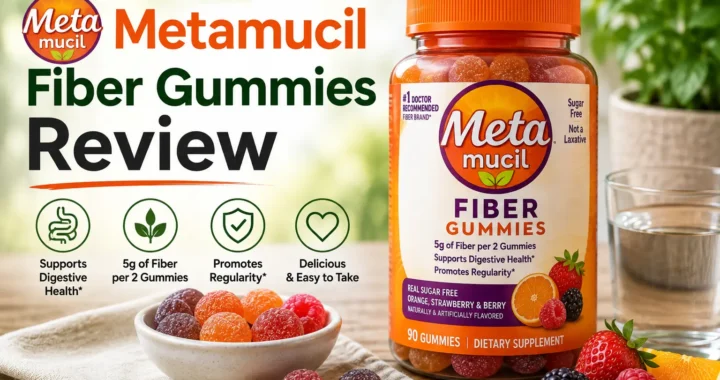
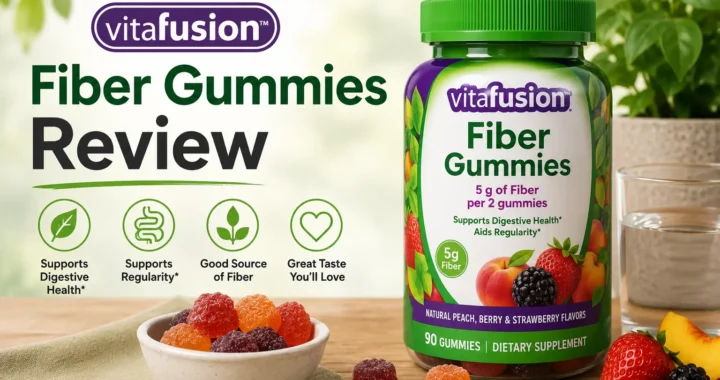
Are fiber gummies as effective as fiber powder or capsules? Fiber gummies typically contain much less fiber per serving than powders or capsules, so you’d need more servings to get an equivalent dose. Check the label carefully, since some gummies are lower in fiber than their marketing suggests.
What’s the difference between soluble and insoluble fiber supplements? Soluble fiber supplements (like psyllium or inulin) dissolve in water and are more associated with cholesterol and blood sugar benefits. Insoluble fiber supplements add bulk and are more associated with regularity. Many whole foods naturally provide both.
Can I get enough fiber from food alone without a supplement? Yes, it’s possible with consistent effort — legumes, whole grains, vegetables, fruit, nuts, and seeds can add up to 25–38+ grams a day. It typically requires more planning than taking a supplement, which is why many people use both.
Final Verdict
When it comes to fiber supplements vs fiber foods, the evidence points in one clear direction: fiber foods should be your foundation, and fiber supplements are a smart addition when your diet leaves a gap. Whole foods offer a nutrient package that no isolated supplement can fully replicate, while supplements offer precision and convenience that whole food can’t always match.
If you’re deciding where to start, begin with your plate — add a fiber source to each meal — and use a supplement to close whatever gap remains. For more on choosing a specific product, see our comparisons of the best fiber supplement overall, the best fiber powder, and the best natural fiber supplement.
This article is for educational purposes only and is not a substitute for personalized medical advice. Speak with a doctor or registered dietitian before making significant changes to your fiber intake, especially if you have a digestive condition or take medication.