
The best fiber gummies make it easy to add fiber without mixing a gritty powder. But not all gummies are equal: some give 5 grams of fiber per serving, others barely 2, and many use sugar alcohols that can upset your stomach. This guide compares the best fiber gummies by fiber type, grams per serving and sweetener, so you know exactly what you are getting.
Quick answer
The best fiber gummies for most adults are Metamucil Fiber Gummies (5 g fiber per 3 gummies, no added sugar). For a lower price, choose Vitafusion Fiber Well Sugar Free. Keep in mind that gummies give less fiber than a scoop of powder, so they suit people who want a gentle daily top-up rather than strong constipation relief.
Medical note: This is general information, not medical advice. Keep gummies away from children unless the label says they are for kids, and ask your doctor before use if you are pregnant or take daily medicines.
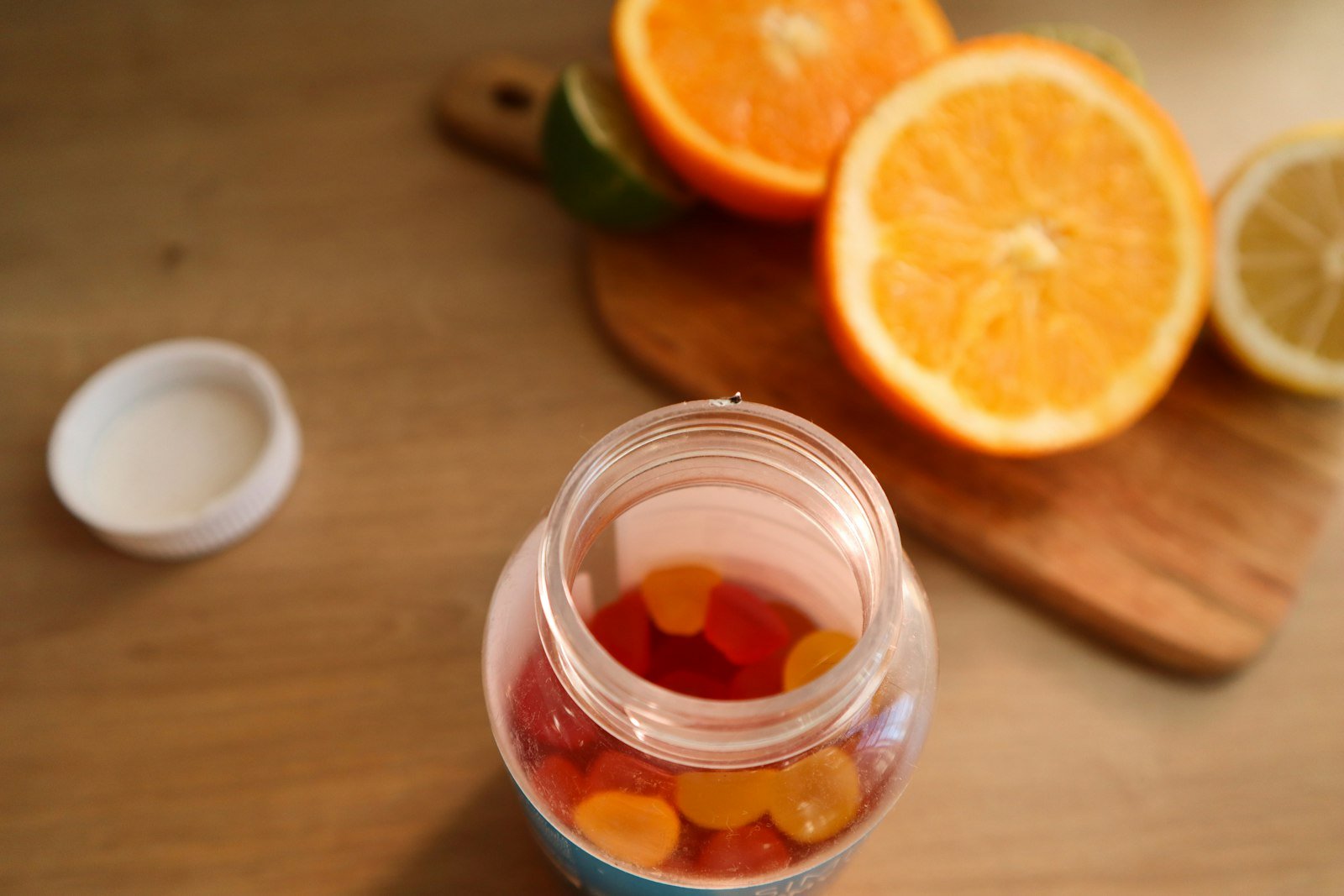
Best Fiber Gummies at a Glance
| Gummy | Fiber per serving* | Fiber type | Sugar | Best for |
|---|---|---|---|---|
| Metamucil Fiber Gummies | 5 g per 3 gummies | Plant-based blend incl. Fibersol (resistant maltodextrin) | No added sugar | Best overall |
| Vitafusion Fiber Well Sugar Free | About 5 g per serving | Polydextrose | Sugar-free (sugar alcohol) | Best budget |
| BelliWelli Fiber Gummies | 5 g per serving | Tapioca fiber | Low sugar | Best clean label |
| MaryRuth’s Kids Fiber Gummies | 3 g per gummy | Tapioca fiber | Sugar-free | Best for kids |
Are Fiber Gummies as Good as Powder?
Fiber gummies are convenient, but even the best fiber gummies have three trade-offs compared with powder:
- Less fiber. A serving of the best fiber gummies gives 3 to 5 grams. A scoop of psyllium powder can give 3 to 6 grams for a fraction of the cost.
- No gel. Most gummies use soluble fibers such as polydextrose, resistant maltodextrin, inulin or tapioca fiber. These help regularity and feed gut bacteria, but they do not form the thick gel that makes psyllium so effective for constipation and cholesterol.
- Sweeteners. To stay low in sugar, many gummies use sugar alcohols such as sorbitol or maltitol, which can cause gas and loose stools in some people.
If you want the strongest effect, a psyllium powder is still the better tool. See our guide to the best fiber supplement overall, or read fiber gummies vs powder for a full comparison.
The Best Fiber Gummies, Reviewed
1. Best Fiber Gummies Overall: Metamucil Fiber Gummies
- Fiber: 5 g per 3 gummies, from a plant-based fiber blend that includes Fibersol
- Sugar: No added sugar
- Ages: 12 and up; up to 3 servings a day
Why we picked it: It hits 5 grams per serving, comes from a brand most pharmacies stock, and the label clearly says how to start: 1 to 3 gummies a day, building up slowly. That makes it the best fiber gummies pick for most adults.
Keep in mind: Despite the Metamucil name, these gummies do not give you the psyllium gel of Metamucil powder. If you need cholesterol support, stick with the powder.
2. Best Budget Fiber Gummies: Vitafusion Fiber Well Sugar Free
- Fiber: Polydextrose, a soluble fiber; about 5 g per serving
- Sugar: Sugar-free, sweetened with a sugar alcohol
- Extras: Free of gluten, dairy and synthetic dyes, per the brand
Why we picked it: It is widely available and one of the lowest-cost ways to get around 5 grams of fiber from a gummy. The brand has listed the serving as both 2 and 3 gummies over time, so read the panel on your bottle.
Keep in mind: The sugar alcohol can cause gas if you take several servings a day.

3. Best Clean-Label Fiber Gummies: BelliWelli
- Fiber: 5 g tapioca fiber per serving
- Testing: Third-party tested, according to expert reviews
Why we picked it: For people who prefer a short ingredient list and a candy-like taste, BelliWelli delivers a full 5 grams per serving. It costs more per gram than the options above.
4. Best Fiber Gummies for Kids: MaryRuth’s Kids Fiber Gummies
- Fiber: 3 g per gummy from tapioca fiber
- Ages: 2 and up, sugar-free
Why we picked it: It is made for children, which matters because most adult gummies are labeled for ages 12 and up. The sweetener can still cause tummy upset, so start with one gummy. See more in best fiber supplement for kids.
How to Choose the Best Fiber Gummies
- Check grams per serving. The best fiber gummies give at least 3 to 5 grams. Divide the price by total grams to compare value.
- Check the fiber type. Polydextrose, resistant maltodextrin (Fibersol), tapioca fiber and inulin are common. Inulin causes the most gas.
- Check the sweetener. Sugar adds calories; sugar alcohols (sorbitol, maltitol) can loosen stools. Choose what your stomach tolerates.
- Check who it is for. Adult gummies are usually labeled for ages 12 and up. Use a children’s product for kids.
- Look for third-party testing. Supplements are not approved by the FDA before sale, so seals like NSF or USP add trust.
How to Take Fiber Gummies for the Best Results
- Start with 1 to 3 gummies a day and increase over 1 to 2 weeks.
- Drink a full glass of water with each serving and more through the day.
- Take them at least 2 hours apart from other medicines.
- Split the dose between morning and evening if you get gas.
- Expect changes in 1 to 3 days; judge results after 2 weeks.
For timing tips, read the best time to take fiber supplement guide.
Who Should Choose Powder Instead of the Best Fiber Gummies?
Choose a psyllium or methylcellulose powder instead of gummies if you have chronic constipation, want to lower cholesterol, need more than 5 grams a day, or react badly to sugar alcohols. Gummies are best for people who want a convenient, tasty way to close a small fiber gap. Most adults need 25 to 38 grams of fiber a day in total, and only about 7% of US adults get enough.
Frequently Asked Questions
What are the best fiber gummies?
The best fiber gummies for most adults are Metamucil Fiber Gummies, which give 5 g of fiber per 3 gummies with no added sugar. Vitafusion Fiber Well is a good budget option, and BelliWelli is a clean-label pick.
Do fiber gummies work?
Yes, fiber gummies add real dietary fiber and can help with mild constipation and regularity. They work best as a top-up, because most give only 2 to 5 grams per serving and use fibers that do not form a gel like psyllium.
Do fiber gummies help with constipation?
They can help mild constipation if you take a full serving daily with plenty of water. For stronger or chronic constipation, a psyllium or methylcellulose powder is usually more effective.
Are fiber gummies as good as powder?
Not usually. Powders deliver more fiber per serving at a lower cost, and psyllium powder forms a gel that gummies do not. Gummies are better for taste, convenience and travel.
How long does it take for fiber gummies to work?
Most people notice a change in 1 to 3 days. Give it 1 to 2 weeks of daily use to judge the full effect, and increase slowly to avoid gas.
Are fiber gummies good for you?
For most adults they are a safe, easy way to add a few grams of fiber. Watch for sugar alcohols such as sorbitol or maltitol, which can cause gas or loose stools in large amounts.
What do fiber gummies do?
They add soluble fiber, which softens stool, feeds healthy gut bacteria and can help you feel fuller. They do not replace fiber from fruit, vegetables, beans and whole grains.
When is the best time to take fiber gummies?
Any time of day works. Take them with water, keep them 2 hours away from medicines, and split the serving between morning and evening if they cause gas.
The Bottom Line
The best fiber gummies are a convenient way to add 3 to 5 grams of fiber a day. Metamucil Fiber Gummies are our top pick, Vitafusion Fiber Well is the best value, and MaryRuth’s is best for kids. If you need stronger relief, switch to a psyllium powder.
References
- Metamucil Fiber Gummies: product information and directions.
- Vitafusion Fiber Well Sugar Free Gummies: product information.
- Healthline. Best fiber supplements, reviewed by a dietitian (Vitafusion fiber type and sweetener).
- Forbes Vetted. Best fiber supplements (BelliWelli fiber content and testing).
- Garage Gym Reviews. Best fiber supplements (MaryRuth’s Kids fiber content).
- American Society for Nutrition. Just 7% of adults meet fiber recommendations, 2021.




Leave a Reply