
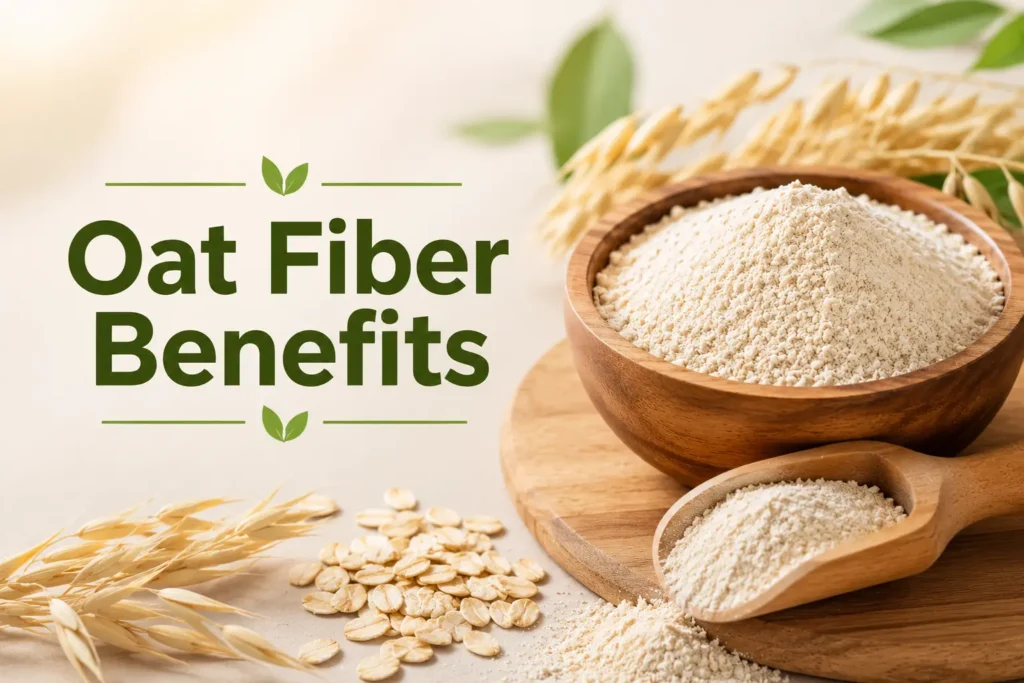
Oat Fiber Benefits include supporting regular bowel movements, adding bulk and structure to the digestive tract, and helping you feel fuller for longer, which can support weight management. Oat fiber is a concentrated, mostly insoluble fiber made from ground oat hulls. It contains very little of the soluble, cholesterol-lowering beta-glucan found in oat bran, so while it plays a supporting role in heart health, oat bran or a beta-glucan supplement is the better choice if cholesterol is your main concern. For most people, 1–2 tablespoons a day, added gradually and with plenty of water, is a safe and effective place to start.
Table of Contents
What Is Oat Fiber, Exactly?
Oat fiber isn’t the same thing as oatmeal, oat bran, or “fiber from oats” in general. It’s a specific ingredient made by grinding the oat hull — the tough, inedible outer husk that protects the oat grain before milling.
Because the hull is almost entirely indigestible plant material (cellulose, hemicellulose, and lignin), commercial oat fiber is defined as containing at least 85% insoluble dietary fiber, with only trace amounts of soluble fiber, protein, fat, or carbohydrate. That’s very different from whole oats or oat bran, which come from the edible groat and carry a meaningful amount of soluble fiber (beta-glucan) along with actual nutrition.
This distinction matters because a lot of articles use “oat fiber” and “oat bran” interchangeably — and that’s where search intent for this keyword often gets misled. If you want to understand the difference between soluble and insoluble fiber more broadly, our guide on soluble vs. insoluble fiber breaks it down further.
Oat Fiber vs. Oat Bran at a Glance
| Oat Fiber | Oat Bran | |
| Made from | Oat hull (outer husk) | Oat bran layer (edible part of the groat) |
| Fiber type | ~85%+ insoluble | Mostly soluble (beta-glucan) + some insoluble |
| Calories | Essentially none (indigestible) | Moderate (has real nutritional value) |
| Best known for | Bulking stool, regularity, bowel support | Lowering LDL cholesterol, blood sugar control |
| Taste/texture | Bland, powdery, low bulk in cooking | Nutty, adds moisture and flavor |
| FDA cholesterol health claim | Not eligible (too little beta-glucan) | Eligible (proven beta-glucan content) |
If your main goal is heart health, keep this table in mind — it changes which product you should actually buy.
The Real Benefits of Oat Fiber
1. Digestive Regularity and Constipation Relief
This is oat fiber’s strongest, best-supported benefit. Because it’s almost entirely insoluble, oat fiber acts like a sponge and a broom at once: it absorbs water, increases stool bulk and softness, and speeds up how quickly waste moves through the colon.
For people dealing with occasional or chronic constipation, this mechanical bulking effect is often more noticeable than what soluble fibers provide, since insoluble fiber directly increases stool weight and reduces transit time. If constipation is your main concern, our dedicated guide to the best fiber supplement for constipation compares oat fiber against other insoluble options like wheat dextrin and psyllium.
Practical tip: insoluble fiber works best with adequate fluid intake. Without enough water, added bulk can actually make constipation feel worse, not better — a detail many competitor articles skip entirely.
2. Oat Fiber and Cholesterol: A More Honest Look
Most articles say “oats lower cholesterol” and let readers assume oat fiber shares that benefit. That’s only partly true.
The cholesterol-lowering effect associated with oats comes specifically from beta-glucan, a viscous soluble fiber. Multiple clinical trials and a 2007 randomized controlled study found that around 3–6 grams of concentrated oat beta-glucan per day meaningfully reduced total and LDL cholesterol in adults with elevated levels, and the FDA has recognized a cholesterol-lowering health claim for oat beta-glucan since 1997.
Oat fiber (the hull-derived ingredient) contains only a small fraction of that soluble beta-glucan — most of its structure is insoluble. That doesn’t mean it’s useless for heart health; insoluble fiber still supports healthy digestion and can indirectly aid weight and metabolic health, both of which matter for cardiovascular risk. But if lowering LDL cholesterol is your specific goal, oat bran, a beta-glucan concentrate, or psyllium husk (a soluble fiber with strong cholesterol research behind it) will do more direct work. Our page on the best fiber supplement for cholesterol compares these options side by side.
3. Digestion and Gut Comfort
“Oat fiber digestion” is a common search because people want to know how it feels going through the body, not just what it does on paper. A few honest points competitors often leave out:
- Oat fiber is largely fermentation-resistant compared to fibers like inulin or acacia, meaning it typically causes less gas and bloating for sensitive stomachs.
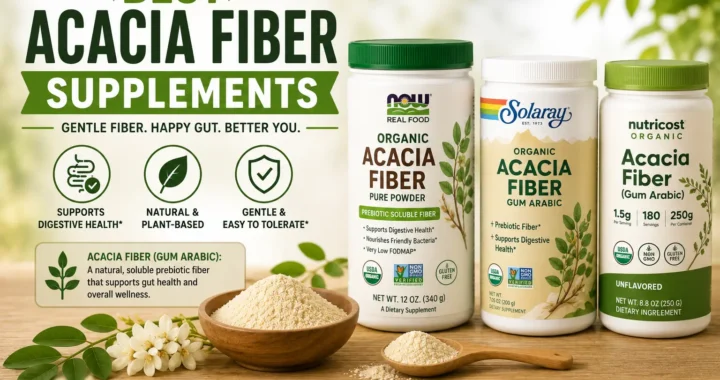
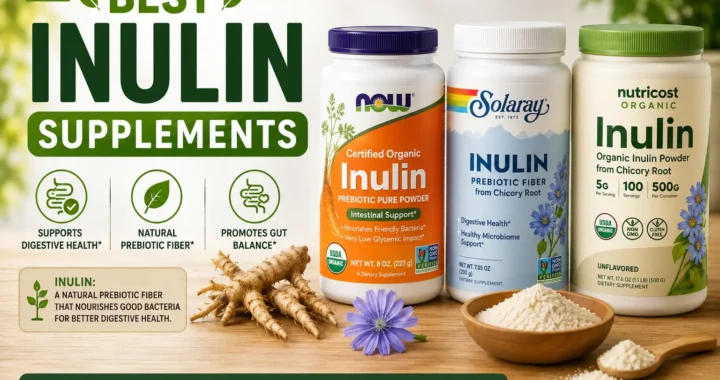
- Because it doesn’t ferment heavily, it doesn’t feed gut bacteria the way prebiotic fibers do — so it’s not a strong choice if your goal is specifically microbiome support. For that, inulin fiber or acacia fiber are better suited.
- It’s often recommended for people who need fiber but react poorly to fermentable fibers, including some people managing IBS. If that’s you, see our guide on the best fiber supplement for IBS.
4. Weight Management Support
Oat fiber contains essentially zero calories and zero digestible carbohydrate, since the body can’t break it down. Added to foods or shakes, it can:
- Increase meal volume and chewing time without adding calories
- Promote a feeling of fullness (satiety) by adding bulk in the stomach and slowing gastric emptying
- Be used in low-carb and keto baking to replace some flour and reduce net carbs
It’s not a fat-burning ingredient, and no fiber is a substitute for overall diet quality — but as a low-calorie bulking agent, it can be a genuinely useful tool. For a broader comparison of fibers used for this purpose, see best fiber supplement for weight loss.
5. Blood Sugar Support (Indirect)
Because oat fiber slows gastric emptying and adds bulk without spiking blood glucose itself, it can have a modest, indirect steadying effect on post-meal blood sugar when used to replace refined flour in baked goods. This effect is much smaller than what soluble, viscous fibers like beta-glucan or psyllium provide, so it shouldn’t be relied on as a primary blood-sugar strategy.
How Oat Fiber Works in the Body
- It resists digestion. Enzymes in the small intestine can’t break down the cellulose and lignin structure, so oat fiber travels largely intact.
- It absorbs water. This increases stool bulk and softness.
- It speeds transit time. Bulkier stool stimulates the intestinal walls (a process called peristalsis), helping waste move through faster.
- Minimal fermentation. Unlike prebiotic fibers, very little of it is broken down by gut bacteria in the colon, which is why it tends to be gentler on gas-sensitive stomachs.
Forms of Oat Fiber You’ll Find
| Form | Best For | Notes |
| Oat fiber powder | Baking, smoothies, mixing into food | Most common and versatile form |
| Oat fiber capsules | Convenience, no taste/texture issue | Lower fiber-per-dose than powder |
| Fortified foods (breads, bars) | Passive fiber increase | Check labels — amounts vary widely |
If you’d rather compare delivery formats generally, see fiber powder vs. fiber capsules vs. fiber gummies.
Oat Fiber vs. Other Common Fibers
| Fiber | Type | Best Known For | Gas/Bloating Risk |
| Oat fiber | Mostly insoluble | Regularity, bulking, low-calorie filler | Low |
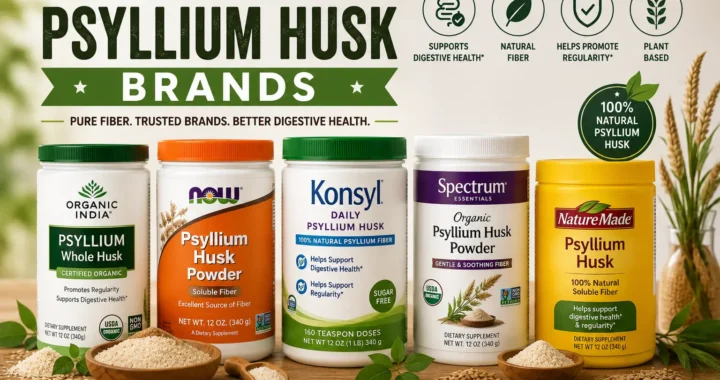
| Psyllium husk | Soluble + insoluble | Cholesterol, regularity, blood sugar | Low-moderate |
| Inulin | Soluble, highly fermentable | Gut bacteria/prebiotic support | Higher |
| Acacia fiber | Soluble, gentle | Gut comfort, IBS-friendly prebiotic | Low |
| Wheat dextrin | Soluble | Mixes invisibly, mild bulking | Low-moderate |
| Methylcellulose | Insoluble/non-fermentable | Regularity without gas | Very low |
For a deeper dive into how these differ mechanically, see soluble fiber and insoluble fiber.
Pros and Cons of Oat Fiber
| Pros | Cons |
| Strong bulking effect for regularity | Minimal soluble fiber, so weak cholesterol-lowering effect on its own |
| Virtually zero calories or carbs | Bland taste, gritty texture in some recipes |
| Low fermentation, gentler on gas-sensitive guts | Doesn’t feed gut bacteria like prebiotic fibers do |
| Useful in low-carb/keto baking | Needs adequate water intake to work properly |
| Generally well tolerated | Not a source of vitamins, minerals, or protein |
How Much Oat Fiber Should You Take?
There’s no single official dosage, but a practical, commonly used approach is:
- Start with 1 teaspoon to 1 tablespoon per day, mixed into food or a smoothie
- Increase gradually over 1–2 weeks, up to 2–3 tablespoons daily if well tolerated
- Drink extra water — insoluble fiber needs fluid to work as intended
- Take it separately from medications if advised by a pharmacist, since fiber can affect how some drugs are absorbed
If you’re unsure when in the day is ideal, our guide on the best time to take a fiber supplement covers timing around meals and medications.
Common Mistakes People Make With Oat Fiber
- Assuming it lowers cholesterol like oat bran. It doesn’t have the same beta-glucan content — check the label if that’s your goal.
- Adding too much, too fast. This can cause temporary bloating or discomfort even though oat fiber is generally low-gas.
- Not drinking enough water. Insoluble fiber without fluid can worsen constipation instead of relieving it.
- Expecting a nutritional boost. Oat fiber has essentially no vitamins, minerals, protein, or usable calories — it’s a structural fiber, not a nutrition source.
- Confusing it with oatmeal or oat bran at the grocery store. They are not interchangeable in recipes or in their health effects.
Who Might Benefit Most From Oat Fiber
- People dealing with occasional constipation who want a gentle, low-gas bulking fiber
- People following low-carb or keto diets who want to increase fiber without adding net carbs
- Home bakers looking to reduce flour content while keeping texture
- People who are sensitive to fermentable, gas-producing fibers like inulin
Who Should Look at Other Fibers Instead
- Anyone prioritizing LDL cholesterol reduction — oat bran, beta-glucan concentrates, or psyllium are better evidenced choices
- Anyone wanting a prebiotic effect for gut bacteria — inulin or acacia fiber are more effective
- Anyone needing soluble fiber for blood sugar control — psyllium or PHGG may be more appropriate; see PHGG (partially hydrolyzed guar gum)
Frequently Asked Questions
Is oat fiber the same as oat bran? No. Oat fiber comes from the inedible oat hull and is mostly insoluble fiber with essentially no nutrition. Oat bran comes from the edible part of the oat groat and is rich in soluble beta-glucan, which is what drives most of the cholesterol research associated with “oats.”
Does oat fiber lower cholesterol? Not in the same way oat bran does. The cholesterol-lowering effect linked to oats comes from beta-glucan, a soluble fiber that oat fiber contains only in small amounts. Oat fiber may offer indirect cardiovascular support through improved digestion and weight management, but it isn’t the ingredient to choose specifically for LDL reduction.
Can oat fiber help with constipation? Yes — this is its most well-supported benefit. As an insoluble, water-absorbing fiber, it adds bulk to stool and helps speed up transit time, which commonly improves regularity when paired with enough water.
Does oat fiber cause bloating or gas? Generally less than fermentable fibers like inulin, because oat fiber isn’t broken down much by gut bacteria. Some people still experience mild bloating if they increase their intake too quickly.
Is oat fiber good for weight loss? It can support weight management indirectly by adding bulk and promoting fullness without adding calories or carbs. It isn’t a fat burner and works best as part of an overall balanced diet.
Is oat fiber safe for people with gluten sensitivity? Oats are naturally gluten-free, but cross-contamination during processing is common. If you have celiac disease or a gluten intolerance, look specifically for a certified gluten-free oat fiber product.
How is oat fiber different from psyllium husk? Psyllium is a soluble/gel-forming fiber with stronger research behind cholesterol and blood sugar benefits, while oat fiber is primarily a bulking, insoluble fiber best known for supporting regularity. Some people use both together for a broader effect.
Final Verdict
Oat fiber earns its place as a genuinely useful ingredient — but for a narrower purpose than many articles suggest. It’s a strong, low-calorie option for digestive regularity, constipation relief, and low-carb bulking, especially for people who don’t tolerate fermentable fibers well. What it isn’t is a strong cholesterol-lowering or prebiotic fiber — for those goals, oat bran, beta-glucan, psyllium, or acacia fiber are better suited.
If you’re still deciding which fiber fits your specific goal, our how to choose a fiber supplement guide walks through the decision step by step, and our oat fiber product overview covers specific brands and formats.
This article is for educational purposes only and is not a substitute for personalized medical advice. Speak with a healthcare provider before making significant changes to your fiber intake, especially if you have a digestive condition or take medication.