
Quick Answer
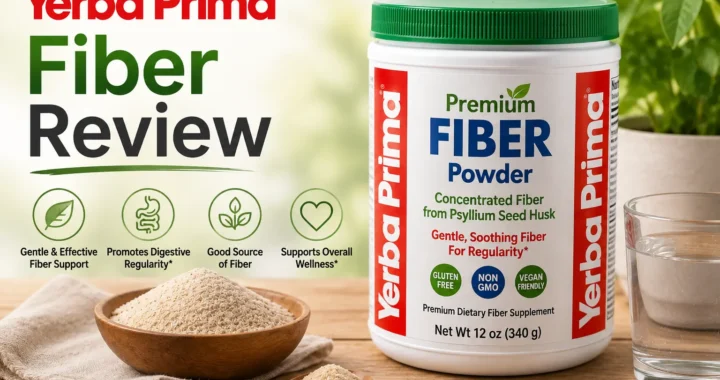
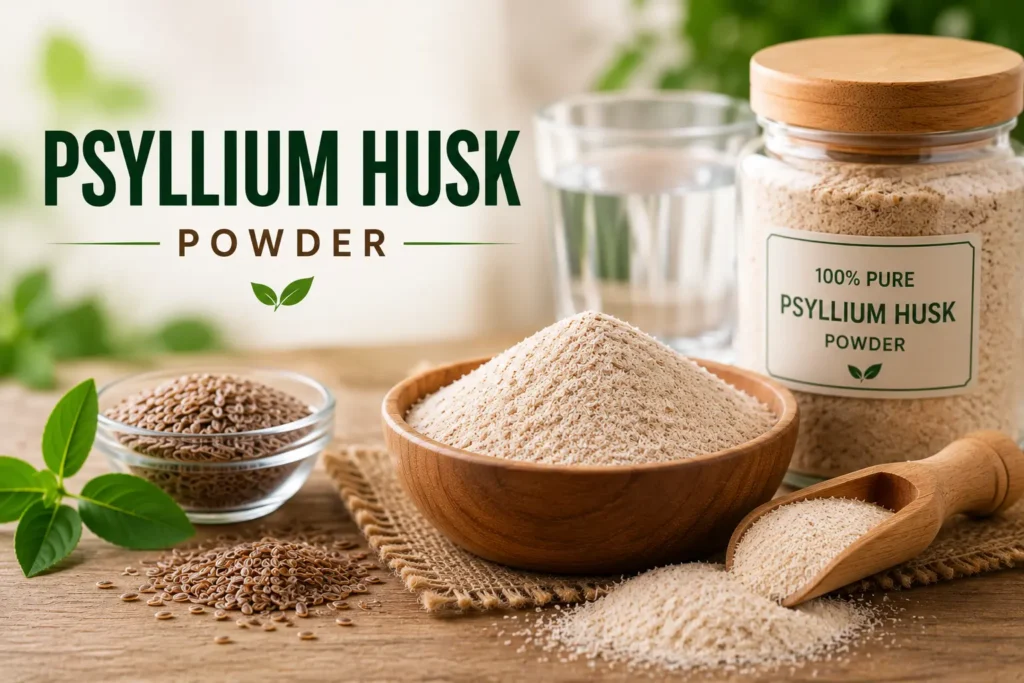
Psyllium husk powder is a finely ground, soluble plant fiber made from the seed husks of the Plantago ovata plant. It absorbs water to form a thick gel in the digestive tract, which helps soften stool, support regularity, and slow digestion in a way that can benefit blood sugar and cholesterol levels. It’s one of the most researched fiber supplements available, and it’s typically taken by mixing a spoonful into water or another liquid and drinking it right away.
If you’re comparing options, the best psyllium husk products differ mainly in purity, grind consistency, and whether they contain added sweeteners or flavors — details we’ll walk through below.
Table of Contents
What Is Psyllium Husk Powder?
Psyllium husk powder comes from the outer coating (husk) of psyllium seeds, which are then dried and ground into a fine powder. The plant itself, Plantago ovata, is grown mainly in India, where it has been used for digestive support for generations.
The husk is separated from the seed because it’s the part richest in soluble fiber. Once ground into powder, it dissolves more easily than whole husk and tends to mix more smoothly into water, smoothies, or food.
You’ll usually see psyllium husk sold in three main forms:
- Whole husk – flakes that haven’t been ground
- Powder – finely milled husk, the focus of this guide
- Capsules – pre-measured psyllium husk in pill form
Powder tends to work faster than capsules because it disperses in liquid immediately, while capsules need time to break down in the stomach first.
How Psyllium Husk Powder Works
Psyllium is mostly soluble fiber, meaning it dissolves in water rather than passing through the gut unchanged. When it mixes with liquid, it swells into a viscous gel that can be many times its original volume.
This gel does two main things:
- Adds bulk and softness to stool, which helps it move through the intestines more comfortably.
- Slows down digestion, which can flatten blood sugar spikes after meals and help bind cholesterol-containing bile acids for elimination.
Unlike some fibers, psyllium is only minimally fermented by gut bacteria. That’s actually a practical advantage: it means it tends to produce less gas and bloating compared to highly fermentable fibers like inulin, which is why it’s often recommended for people looking for a fiber supplement that doesn’t cause gas.
Benefits of Psyllium Husk Powder
The benefits of psyllium husk are backed by decades of clinical research, more than most fiber supplements on the market. Here’s what the evidence supports:
Regularity and constipation relief. Psyllium is one of the most studied fibers for treating both constipation and, at appropriate doses, mild diarrhea — because the gel it forms can absorb excess water or add moisture, depending on what the stool needs. This is why it’s commonly recommended as a fiber supplement for constipation.
Cholesterol support. Regular intake has been shown to modestly lower LDL (“bad”) cholesterol, largely because the gel binds bile acids made from cholesterol and carries them out of the body, prompting the liver to pull more cholesterol from the blood to make more bile acids. It’s a common recommendation for a fiber supplement for cholesterol.
Blood sugar management. By slowing gastric emptying and carbohydrate absorption, psyllium can blunt post-meal blood sugar spikes when taken before or with meals.
Weight management support. The gel increases feelings of fullness, which may help reduce overall calorie intake — one reason it appears in many fiber supplements for weight loss discussions, though it works best alongside a balanced diet, not as a standalone solution.
IBS symptom support. Because it’s gentle and only mildly fermentable, psyllium is often better tolerated than other fibers by people managing IBS, and it appears in several guidelines as a first-line fiber option — see our dedicated guide on fiber supplements for IBS.
General gut health. While psyllium isn’t a strong prebiotic like inulin, its gel-forming action supports a healthy stool consistency and transit time, which contributes to overall gut health.
Psyllium Husk Powder vs. Whole Husk vs. Capsules
Most competitor content covers “what psyllium is” but skips this practical comparison — which matters more for choosing a product than anything else.
| Form | Mixability | Onset Speed | Best For | Downsides |
| Powder | Dissolves easily in water/smoothies | Fast — gel forms within minutes | Most users; flexible dosing | Gritty texture if not stirred well |
| Whole husk | Doesn’t dissolve fully; stays flaky | Slower gel formation | People who prefer texture, baking uses | Less pleasant mouthfeel for some |
| Capsules | No mixing needed | Slowest — must dissolve in stomach first | Travel, convenience, taste-sensitive users | Requires more capsules to match one dose of powder; needs extra water |
If convenience matters more than speed, psyllium husk capsules are worth comparing directly.
Nutrition and What’s Inside Psyllium Husk Powder
A typical single serving (about 1 tablespoon, or roughly 5–7 grams) of plain psyllium husk powder provides:
| Component | Approximate Amount |
| Calories | 15–20 |
| Total fiber | 4–5 g |
| Soluble fiber | ~70–80% of total fiber |
| Insoluble fiber | ~20–30% of total fiber |
| Sugar | 0 g (unflavored versions) |
| Sodium | 0 mg (unflavored versions) |
Values vary by brand, so always check the label. Flavored or sweetened versions can add sugar, artificial sweeteners, or sodium — something to watch for if you’re monitoring intake.
Psyllium husk is technically a blend of soluble and insoluble fiber, though it behaves primarily like a soluble fiber because of how much gel it forms. If you’re deciding between fiber types generally, our guide on soluble vs. insoluble fiber breaks down the difference in more depth.
How to Use Psyllium Husk Powder
There’s no single dose that fits everyone, and the right amount depends on your fiber intake, tolerance, and goals — our full psyllium husk dosage guide covers this in detail. As general, practical guidance:
- Start small. Many people begin with about half the label’s suggested serving to see how their body responds.
- Mix with plenty of water. Psyllium needs liquid to form its gel properly — mixing it too thick or drinking too little water alongside it can cause discomfort.
- Drink it quickly. The powder thickens fast once it hits liquid, so it’s best consumed within a minute of mixing.
- Increase gradually. Ramping up fiber intake slowly over one to two weeks reduces the chance of bloating or gas.
- Time it around meals if targeting blood sugar or cholesterol. Taking it shortly before eating is the typical approach used in research on those benefits.
- Always check the product label for the manufacturer’s specific serving guidance, since concentration can vary between brands.
This is general educational information, not a personalized dosing recommendation. Anyone with a health condition or taking medication should check with a healthcare provider before starting a new fiber supplement.
How to Choose the Best Psyllium Husk Powder
Since not all products are equal, here’s what actually separates a high-quality psyllium husk powder from a mediocre one:
1. Purity of ingredients. The best options list psyllium husk (or psyllium husk powder) as the only ingredient — no fillers, added sugars, or artificial colors, unless you specifically want a flavored version.
2. Fine, consistent grind. A finer grind dissolves more smoothly and is less gritty. Coarser grinds are closer to whole husk and may not mix as well.
3. Organic or non-GMO certification (if that matters to you). Since psyllium is a crop, sourcing and farming practices can vary by brand.
4. Solubility percentage. Higher-quality husk typically contains 85%+ soluble fiber content — a detail some brands disclose on the label or their website.
5. Packaging that protects against moisture. Psyllium is hygroscopic (it absorbs moisture from the air), so resealable, airtight packaging helps preserve freshness and prevents clumping.
6. Third-party testing. Because supplements aren’t FDA-approved before sale, look for brands that test for contaminants like heavy metals or pesticide residue.
For a side-by-side look at specific products, see our full breakdown of the best psyllium husk options, or compare it against other formats in our best fiber powder guide.
Pros and Cons of Psyllium Husk Powder
| Pros | Cons |
| Strong clinical research behind constipation, cholesterol, and blood sugar benefits | Can cause bloating or gas if increased too quickly |
| Minimally fermented, so gentler on digestion than some fibers | Needs to be mixed with adequate water to work safely |
| Versatile — works for both constipation and mild diarrhea | Gritty texture bothers some users |
| Inexpensive relative to many supplements | Can interact with certain medications by affecting absorption |
| Available in multiple forms (powder, capsules, whole husk) | Not a substitute for dietary fiber from whole foods |
Common Mistakes People Make With Psyllium Husk Powder
Not drinking enough water. This is the most common mistake. Because psyllium absorbs so much liquid, taking it without enough water can lead to it thickening in the throat or digestive tract, which is uncomfortable and, in rare cases, a safety concern.
Increasing the dose too fast. Jumping straight to a full serving after little to no fiber intake is the main reason people experience bloating and blame the supplement itself.
Taking it at the same time as medications. Because the gel can slow absorption, psyllium is often advised to be taken a couple of hours apart from certain medications. Always check with a pharmacist or doctor about your specific prescriptions.
Letting it sit too long before drinking. Mixed psyllium can turn into a thick gel or gummy texture within minutes, making it unpleasant to drink if you wait too long.
Assuming more is always better. More fiber isn’t automatically more beneficial — consistency and adequate hydration matter more than maximizing the dose.
Side Effects and Who Should Be Cautious
Psyllium husk powder is generally well tolerated, but like any fiber supplement, it can cause:
- Bloating or gas, especially when starting out
- Stomach cramping if introduced too quickly
- Rare allergic reactions (psyllium allergy has been documented, particularly in people with frequent occupational exposure to the powder)
- Interference with absorption of certain oral medications if taken too close together
People with swallowing difficulties, bowel obstructions, or certain gastrointestinal conditions should talk to a doctor before using psyllium. The same goes for anyone on medication that requires precise absorption timing (such as certain diabetes or thyroid medications). For a complete breakdown, see our guide on psyllium husk side effects.
This article is educational and does not replace medical advice. If you have a digestive condition, chronic illness, or take prescription medication, consult a healthcare provider before adding any fiber supplement to your routine.
Psyllium Husk Powder vs. Other Fiber Supplement Types
If you’re still deciding whether powder is the right format for you, here’s how it stacks up against other common fiber supplement types:
| Supplement Type | Typical Fiber Source | Notable Trait |
| Psyllium husk powder | Psyllium seed husk | Strong evidence base; forms a gel |
| Inulin/chicory root powder | Chicory root or agave | Prebiotic, but more likely to cause gas |
| Methylcellulose | Synthetic cellulose | Non-fermentable, minimal gas, but less research on cholesterol benefits |
| Wheat dextrin | Wheat starch | Mild taste, less gel-forming than psyllium |
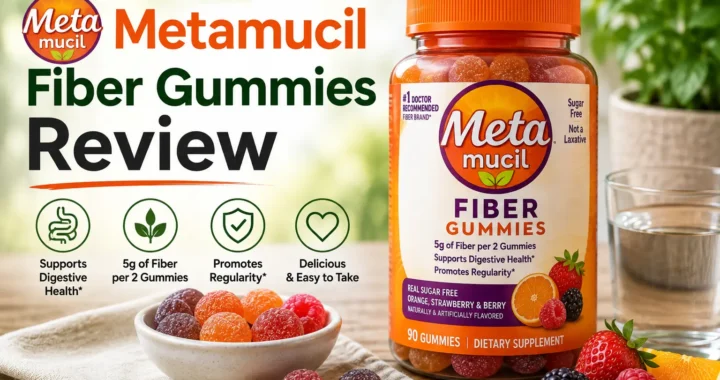
| Fiber gummies | Varies (often inulin) | Convenient but usually lower fiber per serving |
To explore broader options beyond psyllium, see our guides on soluble fiber supplements and natural fiber supplements.
Frequently Asked Questions
Is psyllium husk powder the same as psyllium husk? Not exactly. Whole psyllium husk is the flaky, unground form, while psyllium husk powder is that same husk milled into a fine powder. They come from the same source but differ in texture and how quickly they dissolve.
Can I take psyllium husk powder every day? Many people use it daily as part of a fiber routine, and it’s generally considered safe for regular use when taken with enough water. That said, individual tolerance varies, so it’s worth checking in with a healthcare provider if you plan on long-term daily use.
Does psyllium husk powder help you lose weight? It may support weight management by increasing fullness and reducing appetite, but it isn’t a weight-loss treatment on its own. It works best as part of an overall balanced diet.
What’s the best time to take psyllium husk powder? This depends on your goal. For blood sugar or cholesterol support, taking it before meals is common in research. For constipation relief, many people prefer taking it in the morning or evening with a full glass of water — see our guide on the best time to take a fiber supplement for more detail.
Can psyllium husk powder cause bloating? Yes, especially if you increase your dose too quickly or don’t drink enough water. Starting with a smaller amount and building up gradually usually minimizes this.
Is psyllium husk powder keto-friendly? Plain, unflavored psyllium husk powder is very low in net carbs, since most of its carbohydrate content is fiber, making it a popular choice in low-carb and keto diets — though flavored versions may contain added carbs or sweeteners, so check the label.
How does psyllium husk powder compare to Metamucil? Metamucil is a brand-name product that primarily uses psyllium husk as its active ingredient, often combined with added flavors, sweeteners, or citric acid. Generic or single-ingredient psyllium husk powder typically offers the same core fiber content without those additives.
Final Verdict
Psyllium husk powder stands out among fiber supplements because it has one of the strongest bodies of research behind it — for regularity, cholesterol, and blood sugar support — while remaining gentle enough for daily use. The powder form is generally the most practical option for most people, offering faster gel formation and easier dose adjustment than capsules or whole husk.
If you’re deciding whether psyllium husk powder is right for you, the format matters less than the habit: choosing a clean, well-milled product, drinking enough water with it, and increasing your intake gradually will determine how well it works far more than the specific brand you pick.
For a deeper look at how psyllium fits into your broader fiber intake, explore our guides on what a fiber supplement does and how to choose a fiber supplement that matches your specific goals.