
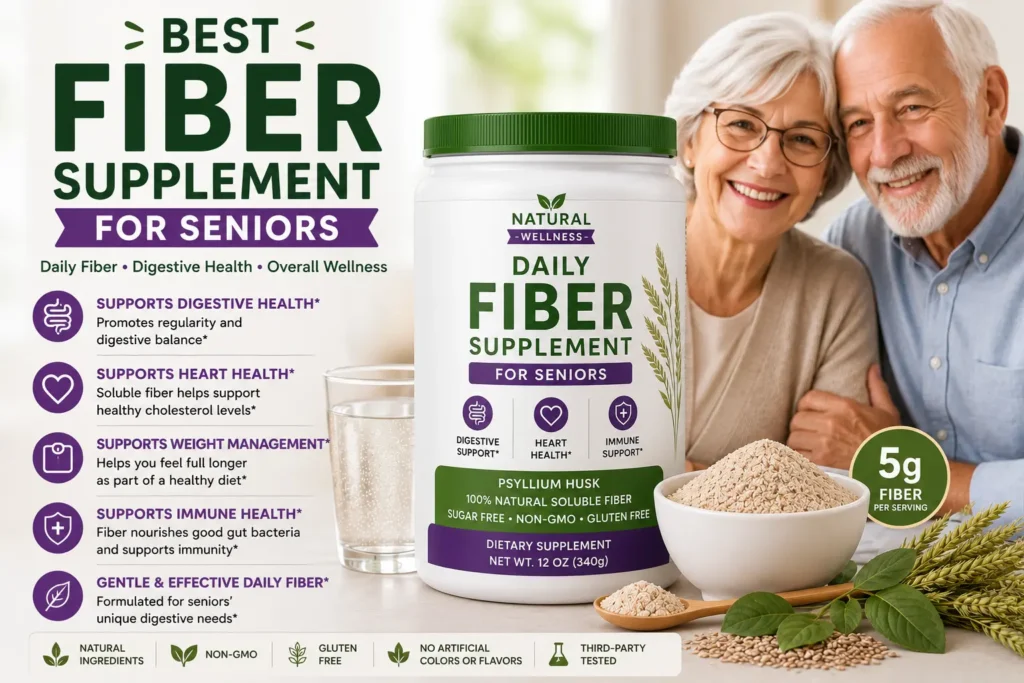
Best Fiber Supplement for Seniors: For most seniors, a soluble fiber supplement like psyllium husk is the best starting point. It’s the most researched option for regularity and heart health, but it does form a thick gel, so it needs to be taken with plenty of water. If gas or bloating is a concern, methylcellulose or wheat dextrin tend to be gentler alternatives. There’s no single “best” fiber supplement for every senior — the right one depends on digestive sensitivity, medication use, swallowing ability, and personal goals like cholesterol support or blood sugar control. This guide walks through each option so you can match the fiber to the person, not the other way around.
Table of Contents
Why Fiber Needs Matter More With Age
Digestion tends to slow down as people get older. Several things contribute to this:
- Lower food intake overall — smaller appetites mean less fiber from meals
- Reduced chewing ability — dentures or dental issues make high-fiber foods like raw vegetables harder to eat
- Less physical activity — movement helps keep the gut moving too
- More medications — many common prescriptions for blood pressure, pain, or depression list constipation as a side effect
- Weaker gut muscle contractions — the natural squeezing motion that moves waste through the intestines becomes less efficient
Put together, these changes explain why constipation is one of the most common digestive complaints among older adults, and why closing the fiber gap with a supplement is often more practical than trying to overhaul the diet all at once.
Most adult guidelines call for around 25–30 grams of fiber a day, but actual intake for older adults is frequently well below that. A supplement isn’t a replacement for high-fiber foods — see our guide on high-fiber foods — but it can help close a real, measurable gap.
What “Fiber Supplement” Actually Means
A fiber supplement is a concentrated source of fiber, sold as a powder, capsule, or gummy, meant to add to what you already get from food. Unlike a multivitamin, it doesn’t work through absorption — it works because it largely isn’t absorbed. Fiber travels through the digestive tract mostly intact, and that’s exactly what makes it useful for regularity, blood sugar, and cholesterol. For a deeper look at how these products are built, read what is a fiber supplement.
There are two broad categories, and understanding the difference is the single most useful thing you can learn before buying one.
Soluble Fiber
Soluble fiber dissolves in water and forms a gel-like substance in the gut. This gel:
- Slows digestion, which helps steady blood sugar after meals
- Binds to cholesterol-containing compounds, which is why it’s linked to healthier LDL levels
- Softens stool, making it easier to pass
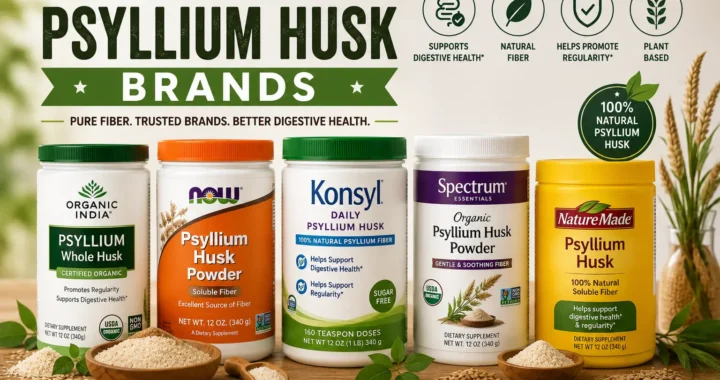
Psyllium husk is the best-known example, and it’s roughly 70% soluble fiber. Other soluble sources include inulin, oat fiber, and acacia fiber.
Insoluble Fiber
Insoluble fiber does not dissolve. Instead, it adds bulk and helps food move through the intestines more efficiently. Wheat bran is the classic example. Most fiber supplements marketed to seniors lean soluble, since it’s generally gentler and multi-purpose, but a mix of both is often ideal. Our full breakdown of soluble vs. insoluble fiber covers this in more depth.
Types of Fiber Supplements: How They Compare
| Fiber Type | Category | Best For | Common Downsides | Typical Form |
| Psyllium husk | Mostly soluble | Regularity, cholesterol, blood sugar | Gels quickly; must drink enough water; can cause gas initially | Powder, capsule |
| Methylcellulose | Non-fermentable, soluble | Sensitive stomachs; less gas | Milder laxative effect than psyllium for some users | Powder, capsule |
| Wheat dextrin | Soluble | Mixing invisibly into drinks/food | Contains wheat (avoid if gluten-sensitive); minimal bulking effect | Powder |
| Calcium polycarbophil | Non-fermentable, bulk-forming | Predictable dosing, low gas | Pill only, less flexible dosing | Tablet |
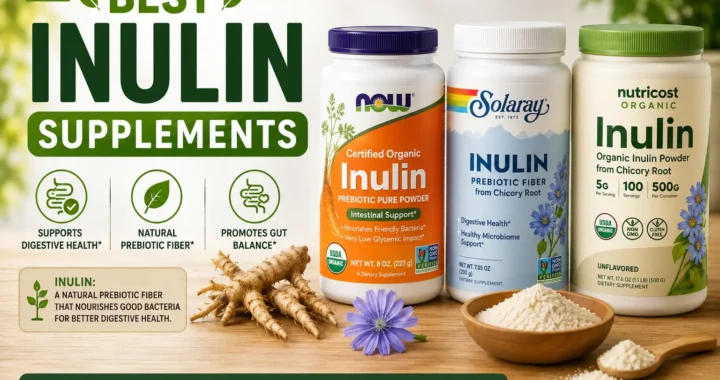
| Inulin / chicory root | Soluble, prebiotic | Feeding gut bacteria | More likely to cause gas and bloating | Powder |
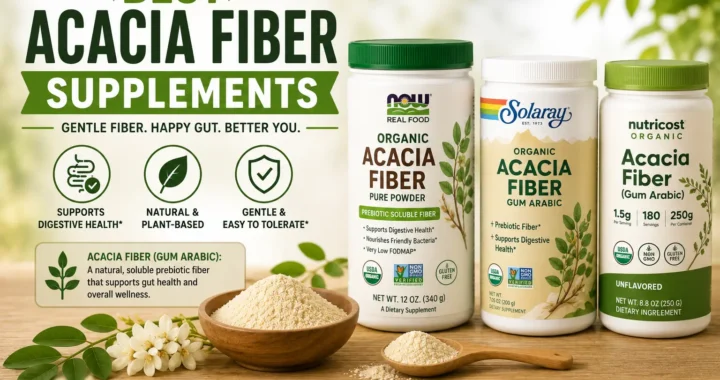
| Acacia fiber | Soluble, prebiotic | Gentle on digestion | Less researched for cholesterol/blood sugar effects | Powder |
No single row in this table is objectively “the winner.” A senior managing high cholesterol and constipation together is usually best served by psyllium. A senior with a sensitive gut who mainly needs gentle bulking is often better off with methylcellulose. That’s the real decision, and it’s more useful than a ranked top-5 list.
Which Fiber Supplement Fits Which Situation
Rather than a generic “top pick,” here’s how to match the supplement to the person:
- Constipation is the main issue → Psyllium husk or calcium polycarbophil, both well-studied for regularity. See our dedicated guide on the best fiber supplement for constipation.
- Gas and bloating are a concern → Methylcellulose is generally the gentlest bulk-forming option, since it isn’t fermented by gut bacteria the way inulin and psyllium partially are.
- Managing cholesterol or blood sugar → Psyllium has the strongest evidence base among fiber supplements for both.
- Swallowing pills is difficult → A powder that dissolves into water or juice (wheat dextrin or methylcellulose) is easier than capsules.
- Taste sensitivity or picky eating → Wheat dextrin is nearly tasteless and doesn’t thicken drinks the way psyllium does.
- Multiple daily medications → Any fiber supplement can interfere with drug absorption if taken at the same time — timing matters more than the type. See the safety section below.
Powder, Capsule, or Gummy: Which Form Works Best for Seniors?
| Form | Pros | Cons | Best For |
| Powder | Flexible dosing, mixes into food/drinks, usually cheaper per gram of fiber | Requires mixing; some gel quickly (psyllium) | Seniors who can prepare their own drinks and want dose control |
| Capsules/Pills | No mixing, no taste, portable | Need to swallow several to match one scoop of powder; harder for those with swallowing difficulty | Seniors who dislike the taste or texture of powders |
| Gummies | Easy to chew, pleasant taste, good for those who dislike pills or drinks | Usually deliver much less fiber per serving; often contain added sugar | Seniors who want a mild, occasional boost rather than a full daily dose |
If chewing and swallowing are limited, capsules can be genuinely difficult — a smaller person may struggle to get down 4–5 capsules to match one tablespoon of powder. In that case, a well-mixed powder or a liquid fiber product is usually more practical. Related reading: best fiber powder, best fiber pills, and best fiber gummies.
How Much Fiber Do Seniors Actually Need?
General guidance from nutrition authorities suggests:
- Men over 51: around 28 grams of fiber per day
- Women over 51: around 22 grams of fiber per day
These targets include fiber from all sources — food and supplements combined. Supplements are meant to fill the gap between what someone eats and what they need, not to replace meals entirely.
A practical approach:
- Estimate current fiber intake from a typical day of meals (most people underestimate this)
- Start a supplement at a low dose — often half the label’s suggested serving
- Increase gradually over 1–2 weeks
- Watch for gas, bloating, or cramping, and back off the dose if needed
Jumping straight to a full adult dose is one of the most common mistakes, and it’s the single biggest reason people quit fiber supplements after a few days.
Common Mistakes When Starting a Fiber Supplement
- Not drinking enough water. Soluble fibers like psyllium absorb many times their weight in water. Without enough fluid, they can worsen constipation instead of relieving it, and in rare cases contribute to a blockage.
- Increasing the dose too quickly. The gut microbiome needs time to adjust; a slow ramp-up avoids most gas and bloating complaints.
- Taking fiber at the same time as medication. Fiber can slow or reduce the absorption of certain drugs. A general rule of thumb is to separate fiber supplements from medications by at least 1–2 hours, though a pharmacist can confirm timing for specific prescriptions.
- Assuming more is always better. Past a certain point, extra fiber doesn’t add benefit and mainly adds discomfort.
- Ignoring the label’s sugar and additive content. Some gummies and flavored powders carry meaningful added sugar, which matters for seniors managing blood sugar or weight — worth checking against our guide to the best natural fiber supplement.
Fiber Supplements and Medication Timing
This is one of the most overlooked safety points, and it’s especially relevant for seniors, who are more likely to take multiple daily medications. Fiber — particularly viscous soluble fiber like psyllium — can bind to certain drugs in the gut and reduce how much gets absorbed. It can also affect blood sugar-lowering medications, since fiber itself slows sugar absorption.
This doesn’t mean fiber and medication can’t be combined — most people do this safely every day — but it does mean timing deserves attention:
- Take fiber supplements a couple of hours apart from prescription medications when possible
- Ask a pharmacist about any specific interactions for long-term prescriptions (this is especially relevant for thyroid medication, certain diabetes medications, and some antidepressants)
- Don’t change an established medication routine without checking first
Fiber Supplements vs. Getting Fiber From Food
Whole foods bring along vitamins, minerals, and water content that isolated fiber supplements don’t. For that reason, food should generally be the first approach, with supplements filling in the gap. But for seniors who struggle to eat enough produce, whole grains, or legumes — because of appetite loss, chewing difficulty, or a limited diet — a supplement is a legitimate and evidence-based way to close that gap, not a lesser substitute. Our comparison of fiber supplements vs. fiber foods goes deeper into this trade-off.
Pros and Cons of Fiber Supplementation for Seniors
| Pros | Cons |
| Supports regular bowel movements | Can cause temporary gas or bloating |
| May help manage cholesterol (soluble fiber) | Requires adequate water intake to work safely |
| May help steady post-meal blood sugar | Can interfere with medication absorption if timed poorly |
| Convenient when food intake is limited | Doesn’t replace the other nutrients found in whole foods |
| Available in multiple forms for different needs | Overuse can cause discomfort without added benefit |
Frequently Asked Questions
What is the best fiber supplement for an elderly person with constipation? Psyllium husk is the most researched option for relieving constipation in older adults, largely because of its gel-forming, water-holding effect. Calcium polycarbophil is a reasonable alternative for those who prefer a tablet with predictable dosing.
Is Metamucil or Benefiber better for seniors? Metamucil is psyllium-based and tends to have a stronger effect on regularity and cholesterol. Benefiber uses wheat dextrin, which is gentler, tasteless, and less likely to cause gas, but generally has a milder bulking effect. The better choice depends on whether the priority is symptom relief or gentleness.
Can seniors take fiber supplements every day? Yes, daily use is common and generally considered safe for most healthy adults when introduced gradually and paired with enough water. Anyone with a diagnosed digestive condition, swallowing disorder, or bowel obstruction history should check with a doctor first.
Do fiber supplements interact with blood pressure or diabetes medication? They can. Fiber may alter how quickly some medications are absorbed, and it can also affect blood sugar control, which matters for anyone on diabetes medication. Spacing fiber and medication apart, and looping in a pharmacist, is the safest approach.
What’s the gentlest fiber supplement for a sensitive stomach? Methylcellulose is usually considered the gentlest option, since it isn’t fermented by gut bacteria the way psyllium and inulin partially are, which means less gas production.
How long does it take for a fiber supplement to work? Most people notice a difference in bowel regularity within 1–3 days of consistent use, though full benefits for cholesterol or blood sugar management typically take several weeks of regular intake to show up.
Final Verdict
There isn’t one single best fiber supplement for every senior — but there is a best fit for each situation. Psyllium husk remains the most well-rounded choice for regularity, heart health, and blood sugar support, and it’s the right starting point for most people. Methylcellulose is the better call for a sensitive stomach that reacts poorly to gas-producing fibers. Wheat dextrin suits anyone who wants a fiber boost without changing the taste or texture of a drink. Calcium polycarbophil works well for people who prefer a predictable pill over a powder.
Whichever type you choose, start low, increase slowly, drink enough water, and separate fiber from medications by a couple of hours. Those four habits matter more than the specific brand on the label.
This article is for general education and doesn’t replace medical advice. Anyone with an existing digestive condition, swallowing difficulty, or multiple prescription medications should check with a doctor or pharmacist before starting a fiber supplement.
Related reading: How to choose a fiber supplement · Best fiber supplement for gut health · Psyllium husk guide