
Most fiber supplement articles tell you to “just take psyllium” and call it a day. That advice works for some people and backfires for others — especially anyone with IBS, SIBO, or a sensitive gut who ends up more bloated than before.
The truth is there’s no single best fiber supplement for everyone. There’s a best fiber supplement for your specific goal — regularity, cholesterol, blood sugar, gut sensitivity, or general nutrition insurance. This guide walks through every major fiber type, matches each one to the problem it actually solves, and gives you a clear framework for choosing without guesswork.
Table of Contents
Quick Answer: What Is the Best Fiber Supplement?
If you need one answer: psyllium husk has the strongest overall evidence base of any fiber supplement. It’s the only fiber ingredient with an FDA-authorized health claim linking it to reduced heart disease risk, and it’s backed by decades of research on constipation, cholesterol, and blood sugar control.
But psyllium isn’t right for everyone. If you have a sensitive gut, IBS, or you’re on a low-FODMAP diet, partially hydrolyzed guar gum (PHGG) or acacia fiber are usually better tolerated. If you want a tasteless, easy-to-mix option with no grit, wheat dextrin is a solid middle ground. And if fermentable fibers cause you gas or bloating, methylcellulose is the gentlest non-fermenting option.
The rest of this guide explains why, so you can match the fiber to your actual situation instead of picking the most-marketed product on the shelf.
What Counts as a “Fiber Supplement”?
Fiber supplements are concentrated sources of dietary fiber, sold as powders, capsules, gummies, or chewable tablets. They’re meant to help you close the gap between what you actually eat and what you should eat.
Most adults fall well short of the target. The general recommendation is about 25 grams a day for women and 38 grams a day for men, and most people get closer to half that from food alone. A supplement isn’t a replacement for vegetables, fruit, whole grains, and legumes — those foods bring vitamins, minerals, and plant compounds that an isolated fiber powder doesn’t. But as a bridge, a well-chosen fiber supplement can meaningfully help with regularity, satiety, cholesterol, and blood sugar control.
Soluble vs. Insoluble Fiber: Why This Distinction Matters More Than Brand Names
Every fiber supplement decision comes back to this one distinction, so it’s worth understanding before you compare products.
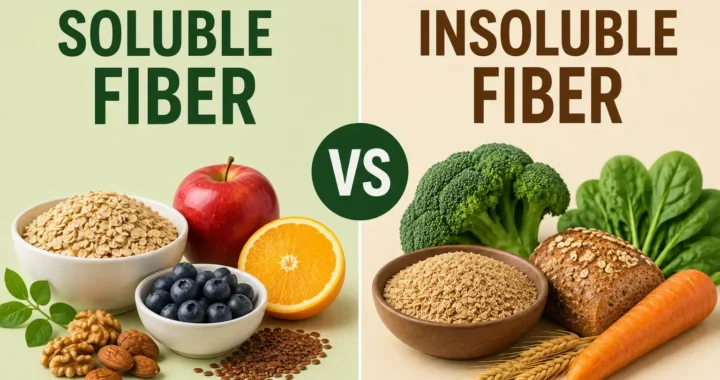
Soluble fiber dissolves in water and forms a gel-like substance in the gut. This gel slows digestion, helps you feel full, and can bind cholesterol and sugar, which is why soluble fibers like psyllium and oat beta-glucan are linked to heart and blood sugar benefits.
Insoluble fiber doesn’t dissolve. It adds physical bulk to stool and speeds up how quickly waste moves through the intestines, which is useful for simple, sluggish-bowel constipation but doesn’t do much for cholesterol or blood sugar.
Most whole plant foods contain a mix of both. Most fiber supplements lean heavily toward one type, which is exactly why the “best” one depends on which problem you’re trying to solve.
The Main Types of Fiber Supplements, Compared
Here’s where most competitor articles either oversimplify or bury the useful detail in marketing copy. This table lays out how the major fiber types actually differ.
| Fiber Type | Soluble or Insoluble | Fermentability | Best For | Watch Out For |
| Psyllium husk (Metamucil, generic husk) | Mostly soluble, some insoluble | Low to moderate | Constipation, cholesterol, blood sugar, general regularity | Needs plenty of water; can feel gritty in powder form |
| Wheat dextrin (Benefiber) | Soluble | Moderate | People who dislike texture or grit; easy to hide in food/drinks | Not ideal for anyone avoiding wheat-derived ingredients |
| Methylcellulose (Citrucel) | Soluble, semi-synthetic | Non-fermentable | Sensitive guts prone to gas and bloating from other fibers | Lacks the cholesterol-lowering evidence psyllium has |
| Partially hydrolyzed guar gum (PHGG) | Soluble | Low fermentability, well-tolerated | IBS (both constipation and diarrhea predominant), low-FODMAP diets | Fewer well-known consumer brands than psyllium |
| Acacia fiber (gum arabic) | Soluble | Slow, gentle fermentation | Very sensitive stomachs, low-FODMAP diets, budget shoppers | Weaker cholesterol evidence than psyllium |
| Inulin / FOS / chicory root | Soluble, prebiotic | Highly fermentable | Feeding beneficial gut bacteria in people with a tolerant gut | Common cause of gas and bloating; avoid with SIBO or IBS-C |
| Wheat bran / cellulose | Insoluble | Non-fermentable | Simple, sluggish-bowel constipation | Doesn’t help cholesterol or blood sugar; can worsen IBS symptoms |
Psyllium Husk
Psyllium comes from the seed husks of the Plantago ovata plant. It’s roughly 70% soluble and 30% insoluble fiber, which is part of why it works for such a wide range of issues — it bulks stool while also forming the gel that helps with cholesterol and blood sugar.
It’s the most studied fiber supplement on the market, and it’s the only one with an FDA-authorized claim connecting it to reduced risk of coronary heart disease when used as part of a diet low in saturated fat and cholesterol. If you have no specific sensitivity and want the fiber with the broadest evidence base, this is usually the starting point.
Wheat Dextrin
Wheat dextrin is made by processing wheat starch. It dissolves completely and doesn’t add grit or a strong taste, which makes it popular with people who find psyllium unpleasant to drink. It’s a reasonable all-purpose soluble fiber, though it doesn’t carry the same heart-health claim psyllium does.
Methylcellulose
Methylcellulose is a semi-synthetic, plant-derived fiber that is not fermented by gut bacteria. That single property is its main selling point: no fermentation means far less gas and bloating than fermentable fibers like inulin. It still forms a gel and adds bulk, which helps with regularity, but the research on cholesterol and blood sugar benefits is thinner than psyllium’s.
Partially Hydrolyzed Guar Gum (PHGG)
PHGG is derived from guar beans and processed to be low-FODMAP and gentle on digestion. It has a growing body of clinical research supporting its use specifically in IBS, for both constipation-predominant and diarrhea-predominant presentations, which is unusual — most fibers help one direction, not both. If a gastroenterologist or dietitian has mentioned “low-FODMAP fiber,” this is often what they mean.
Acacia Fiber
Acacia (gum arabic) is one of the gentlest fibers available. It ferments slowly and gradually, which usually means less gas than inulin while still feeding gut bacteria to some degree. It’s a common recommendation for people easing into fiber supplementation for the first time, or for anyone who has tried other fibers and found them too aggressive.
Inulin, FOS, and Chicory Root Fiber
These are prebiotic fibers, meaning their main job is feeding beneficial bacteria in the colon. They’re common in fiber gummies and “gut health” blends because they’re naturally sweet and cheap to source. The issue is fermentability: inulin ferments quickly and can cause noticeable gas and bloating, especially at higher doses. It’s generally not recommended for people with IBS-C, SIBO, or known FODMAP sensitivity.
Wheat Bran and Cellulose
These are classic insoluble fibers. They’re effective for simple constipation caused by a slow-moving bowel, but they don’t meaningfully affect cholesterol or blood sugar, and they can aggravate symptoms in people with IBS.
How to Choose the Best Fiber Supplement for You
This is the part most buying guides skip. Instead of a flat “top 5” list, match the fiber to the actual outcome you want.
| Your Goal | Best-Suited Fiber Type(s) |
| Occasional constipation, general regularity | Psyllium husk or wheat dextrin |
| Lowering LDL cholesterol | Psyllium husk (strongest evidence) |
| Supporting blood sugar control | Psyllium husk, taken before meals |
| IBS (constipation or diarrhea type) | PHGG or acacia fiber |
| Sensitive stomach, prone to gas/bloating | Acacia, PHGG, or methylcellulose |
| Feeding gut bacteria / microbiome support | Inulin or FOS (only if well-tolerated) |
| Avoiding wheat-derived ingredients | Psyllium, acacia, or PHGG (check labels) |
| On a low-FODMAP diet | Acacia or PHGG |
Powder, Capsule, or Gummy: Does the Format Matter?
Powders let you control the dose precisely and dissolve into water, smoothies, or food. They’re generally the most cost-effective per gram of fiber and the easiest way to hit a meaningful dose.
Capsules are convenient and easy to travel with, but you often need six to ten capsules to match one serving of powder, which adds up in both cost and pill fatigue.
Gummies are the most popular format on shelves right now, and also the weakest choice on a strict fiber-per-dollar basis. Many gummy products deliver only 2 to 4 grams of fiber per serving — a fraction of what a powder or capsule dose provides — while adding sugar or sugar alcohols. They can be a reasonable way to build a habit, but they shouldn’t be relied on as your main fiber source.
A practical rule: check grams of fiber per serving before you check the format. A product that looks impressive on the shelf can still underdose you badly.
Common Mistakes People Make With Fiber Supplements
- Starting at full dose. Jumping straight to 15–20 grams a day is the single biggest cause of bloating, gas, and cramping. Increase gradually over one to two weeks.
- Not drinking enough water. Soluble fibers like psyllium absorb water to form their gel. Without enough fluid, they can worsen constipation instead of relieving it.
- Taking fiber at the same time as medication. Fiber can slow or reduce the absorption of some medications. A general rule of thumb is to space fiber supplements at least two hours away from prescription medication, and to check with a pharmacist about specific drugs.
- Choosing based on marketing instead of grams per serving. Many products advertise “servings per container” prominently while burying a small actual fiber dose.
- Assuming all fiber is interchangeable. Someone with IBS-C taking inulin because “fiber is fiber” is a common and avoidable mistake — the fermentable, gas-producing nature of inulin can make IBS symptoms worse, not better.
- Ignoring gradual dose increases after a gap. If you stop taking fiber for a while, restart at a lower dose rather than picking back up where you left off.
Are Fiber Supplements Safe to Take Every Day?
For most healthy adults, yes. Daily fiber supplementation is generally considered safe and is a reasonable way to help close the gap between recommended and actual fiber intake. That said, a few groups should check with a healthcare provider before starting:
- People with a history of bowel obstruction or narrowing
- People with inflammatory bowel conditions such as Crohn’s disease
- People with diabetes, since fiber can affect blood sugar and may require medication adjustments
- Anyone taking medications where timing or absorption could be affected
Fiber supplements are a tool for filling a nutritional gap, not a substitute for a fiber-rich diet or a treatment for a diagnosed digestive condition. If you have persistent digestive symptoms, unexplained changes in bowel habits, or blood in your stool, that calls for a conversation with a doctor rather than a supplement change.
Frequently Asked Questions
What is the best fiber supplement for constipation? Psyllium husk has the strongest overall evidence for relieving constipation because it combines bulking (insoluble) and gel-forming (soluble) effects. Wheat dextrin is a good alternative if you dislike psyllium’s texture.
What is the healthiest fiber supplement? “Healthiest” depends on your goal, but psyllium husk is the closest thing to an all-purpose answer, given its evidence for cholesterol, blood sugar, and regularity. For sensitive digestive systems, PHGG or acacia are often the healthier practical choice, since a fiber that causes daily bloating isn’t one you’ll stick with.
What is the best fiber supplement for IBS? Partially hydrolyzed guar gum (PHGG) has clinical support for both IBS-C and IBS-D. Acacia fiber is a gentler, widely available alternative. Highly fermentable fibers like inulin are usually best avoided with IBS.
Are fiber gummies actually effective? They can help build a daily habit, but most deliver only a small fraction of the fiber found in a powder or capsule serving. Check the label — if a gummy provides less than 3–4 grams of fiber per serving, it’s better treated as a supplement to real fiber intake, not a replacement.
Can I take fiber supplements long-term? Yes, for most healthy adults, daily long-term use is considered safe. It’s still best used alongside — not instead of — fiber-rich foods, since whole foods provide additional nutrients that isolated fiber supplements don’t.
Does fiber supplement type affect weight management? Soluble, gel-forming fibers like psyllium and PHGG tend to increase feelings of fullness more than insoluble fibers, which is why they’re more commonly discussed in the context of appetite and weight management. Evidence here is supportive but modest — fiber is one tool among many, not a standalone solution.
How much fiber supplement should I take per day? Most products suggest starting with 5–10 grams and increasing gradually. Total fiber intake (food plus supplement) is generally recommended around 25 grams daily for women and 38 grams for men, though individual needs vary.
Final Verdict
If you want a single, well-evidenced default: start with psyllium husk, dosed gradually with plenty of water. It has the broadest research base of any fiber supplement and works for most general goals — regularity, cholesterol, and blood sugar support.
If psyllium doesn’t agree with you, or you already know you have a sensitive gut or IBS, don’t force it. Move to PHGG or acacia fiber instead. And if fermentable fibers consistently cause you gas and bloating, methylcellulose is the most predictable, gentlest option that still delivers real bulking benefits.
The best fiber supplement isn’t the one with the biggest marketing budget — it’s the one matched to your gut, your goal, and your tolerance. Use the comparison table above, start low, and adjust from there.
This article is for educational purposes and does not replace personalized medical advice. Speak with a healthcare provider before starting a new supplement, especially if you have a digestive condition, take regular medication, or are managing diabetes.