
GLP-1 medicines such as Ozempic, Wegovy, Mounjaro and Zepbound help people eat less, but that often comes with constipation. Choosing the best fiber supplement for GLP-1 users is a little different from choosing fiber for anyone else, because these drugs already slow digestion and make you feel full. This guide explains which fiber types work best, how to start, and when to call your doctor.
Quick answer
The best fiber supplement for GLP-1 users is usually a low-gas soluble fiber started at a low dose: methylcellulose (Citrucel) or partially hydrolyzed guar gum (Sunfiber). Psyllium (Metamucil) also works if it does not leave you too full. Start with 3 g a day, drink extra water, and ask your prescriber first.
Medical note: This guide is general information, not medical advice. Talk to the clinician who prescribes your GLP-1 medicine before adding any supplement, especially if you have diabetes, gastroparesis, a history of bowel blockage, or take other medicines.

Why GLP-1 Medicines Cause Constipation
GLP-1 medicines slow how fast food leaves your stomach and moves through your gut. That helps you feel full, but it also gives the colon more time to absorb water from stool, making it harder and drier. On top of that, most people on these medicines eat smaller portions and drink less, which cuts their fiber and fluid intake.
Constipation is listed as a common side effect of both semaglutide and tirzepatide. In tirzepatide diabetes trials, about 6 to 7 percent of people reported it. That is why the best fiber supplement for GLP-1 users is one that softens stool gently without adding a lot of gas or extra fullness.
Best Fiber Supplement for GLP-1: Fiber Types Compared
| Fiber | Gas | Fullness | Good on GLP-1? |
|---|---|---|---|
| Methylcellulose (Citrucel) | Very low | Low | Yes, often the gentlest first choice |
| Guar gum / Sunfiber | Low | Low | Yes, mixes thin; good for sensitive stomachs |
| Psyllium (Metamucil) | Medium | High | Yes if tolerated; may feel too filling for some |
| Wheat dextrin (Benefiber) | Low to medium | Low | Okay; mild effect on constipation |
| Inulin / chicory root | High | Low | Often causes bloating; usually avoid at first |
| Fiber gummies | Varies | Low | Easy, but low dose; watch sugar alcohols |
Our Picks: Best Fiber Supplement for GLP-1 Users
1. Best overall: Citrucel (methylcellulose)
Because gut bacteria do not ferment methylcellulose, it adds bulk and softness with very little gas. It comes as powder or caplets (500 mg each, starting at 2 caplets with water). For many people this is the best fiber supplement for GLP-1 constipation to try first.
2. Best for sensitive stomachs: Sunfiber (partially hydrolyzed guar gum)
Sunfiber dissolves without thickening, ferments slowly and is certified low-FODMAP in products such as Regular Girl (5 g per scoop). It is a good choice if you also have bloating or IBS-type symptoms.
3. Best evidence: Metamucil (psyllium)
Psyllium has the most research of any fiber for constipation, cholesterol and blood sugar. The sugar-free powder gives 3 g per rounded teaspoon. Its thick gel adds fullness, so start with half a dose if your GLP-1 already makes you feel very full. Read our Metamucil review for details.
4. Easiest option: fiber gummies
Gummies such as Metamucil Fiber Gummies (5 g per 3 gummies) are easy to take, but give less fiber per serving. See the best fiber gummies.
How to Start Fiber on a GLP-1 Medicine
- Ask your prescriber first, especially if you have diabetes or stomach problems.
- Start low: 3 g a day (about one serving) for the first week.
- Increase slowly: add one serving every 1 to 2 weeks if you feel fine.
- Drink more water: at least 8 oz with each dose and steady fluids all day. Fiber without water can worsen constipation.
- Space it from medicines: take fiber at least 2 hours apart from other oral medicines.
- Time it early: taking fiber earlier in the day is usually more comfortable than right before bed.
More timing tips are in best time to take fiber supplement.
Other Ways to Ease GLP-1 Constipation
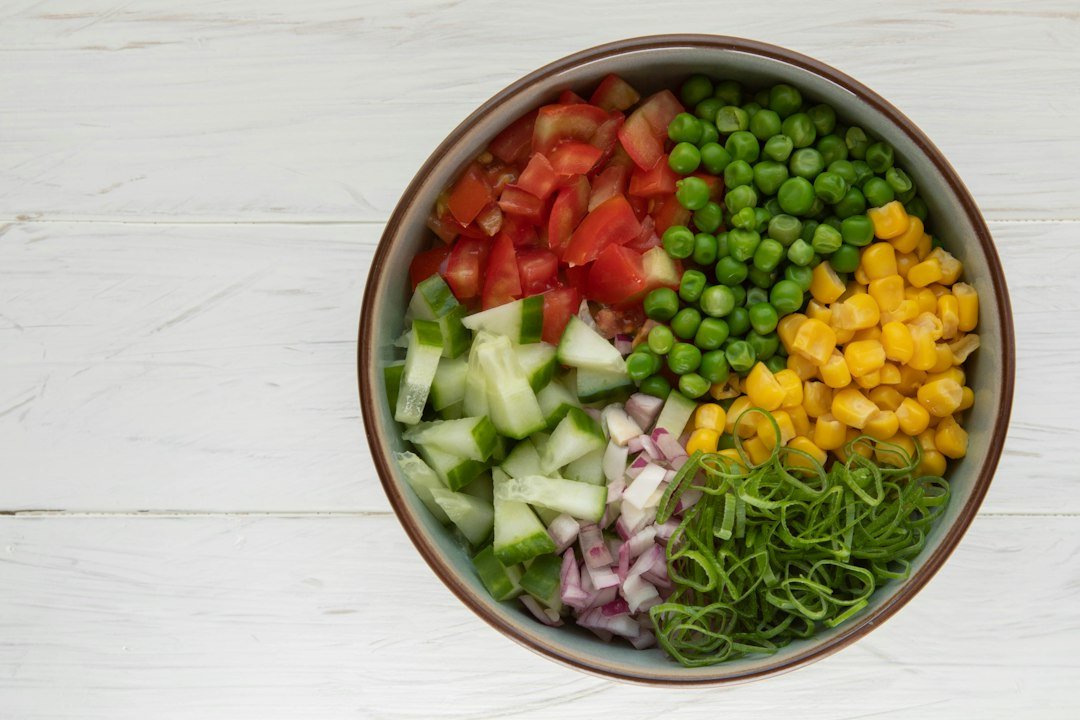
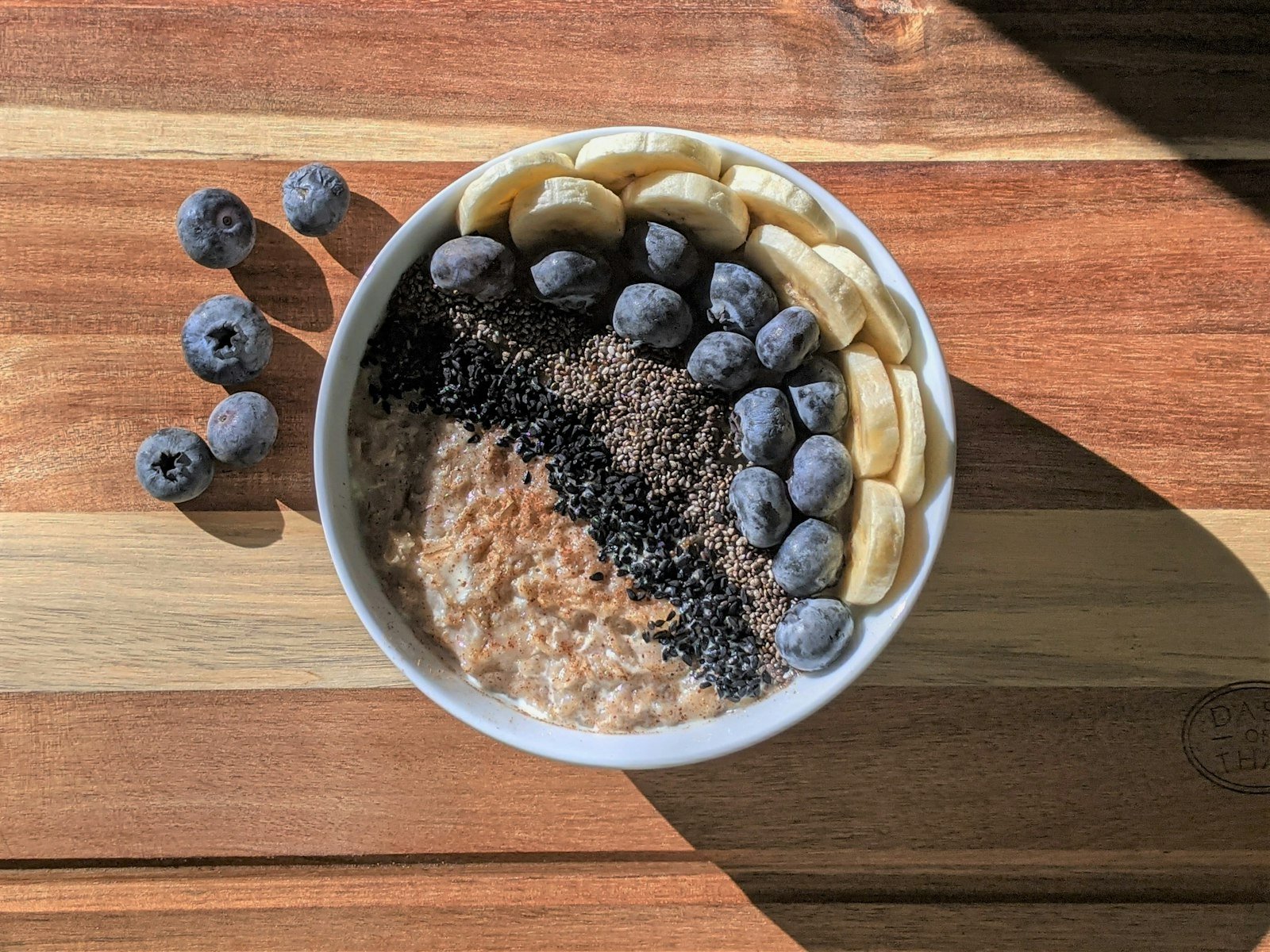
- Add fiber-rich foods to each meal: berries, pears, beans, lentils, oats, chia, vegetables.
- Keep moving. A daily walk helps the gut move.
- Do not ignore the urge to go, and give yourself time after breakfast.
- If fiber is not enough, ask your clinician about an osmotic laxative such as polyethylene glycol, which US guidelines strongly recommend for chronic constipation.
When to Call Your Doctor
Get medical help quickly if you have severe or worsening stomach pain, repeated vomiting, a swollen belly, or no bowel movement or gas for several days. These can be signs of a blockage and need care right away. Also check in if constipation lasts more than a week despite fiber and fluids, or you see blood in your stool.
Frequently Asked Questions
What is the best fiber supplement for GLP-1 users?
For most people on GLP-1 medicines, the best fiber supplement is a gentle soluble fiber such as methylcellulose (Citrucel) or partially hydrolyzed guar gum (Sunfiber), started at a low dose. Psyllium also works well if you tolerate it. Ask your prescriber before starting.
Can I take fiber while on Ozempic or Wegovy?
Yes, most people can, and fiber is commonly advised for semaglutide-related constipation. Start with a small dose, drink plenty of water, and check with your prescriber, because semaglutide already slows stomach emptying.
What is the best fiber supplement while on Zepbound or Mounjaro?
The same rules apply to tirzepatide: choose a low-gas soluble fiber, start low, increase slowly and drink extra water. Constipation was reported by about 6 to 7 percent of people in tirzepatide diabetes trials.
Is Metamucil good for GLP-1 constipation?
Metamucil (psyllium) can help, but its thick gel adds fullness, and some people on GLP-1 medicines find it too filling or gassy. If so, switch to methylcellulose or Sunfiber.
How much fiber should I take on a GLP-1?
Start with 3 to 5 grams a day from a supplement and add more slowly over two to three weeks. Aim for a total of about 25 grams (women) to 38 grams (men) a day from food and supplements combined.
When should I take fiber on a GLP-1 medicine?
Take it at the same time each day with a full glass of water, ideally earlier in the day. Keep it at least 2 hours away from other oral medicines.
Can fiber make GLP-1 side effects worse?
Too much fiber too fast can worsen bloating, gas and fullness. Lower the dose if that happens, and seek care right away for severe stomach pain, vomiting, or bloating with no bowel movement.
Do I still need fiber if I eat less on a GLP-1?
Yes. Eating smaller portions usually means eating less fiber, which is one reason constipation is common. A supplement helps fill the gap while you keep fiber-rich foods in each meal.
The Bottom Line
The best fiber supplement for GLP-1 users is one that is gentle, low in gas and started slowly. Methylcellulose and Sunfiber are the easiest on most stomachs, while psyllium has the strongest evidence if it does not leave you too full. Pair it with water, movement and fiber-rich meals, and keep your prescriber in the loop. For broader picks, see the best fiber supplement guide.
References
- GoodRx. Mounjaro and constipation: incidence in trials and management tips.
- AGA and ACG joint guideline on chronic idiopathic constipation, 2023.
- Citrucel (methylcellulose): dosing and warnings, Drugs.com.
- Regular Girl (Sunfiber): supplement facts.
- Metamucil 4-in-1 Sugar-Free: nutrition facts and warnings.
- American Society for Nutrition. Fiber recommendations and intake, 2021.


Leave a Reply