
Gut health is one of the biggest reasons people buy fiber, and the best prebiotic fiber supplement is one that feeds your beneficial gut bacteria without leaving you bloated. Many products call themselves “prebiotic”, but only some fibers have real evidence, and the dose matters. This guide explains which prebiotics work, how much to take, and which products are worth buying.
Quick answer
The best prebiotic fiber supplement for most people is a gentle, slowly fermented fiber such as partially hydrolyzed guar gum (Sunfiber) or acacia. If you tolerate gas well, inulin, FOS or GOS have the strongest prebiotic research, at about 5 to 8 g a day. For a fiber plus probiotic in one, Regular Girl is a good pick.
Medical note: This is general information, not medical advice. If you have IBS, SIBO or inflammatory bowel disease, ask your doctor or dietitian before starting prebiotics, as fermentable fibers can worsen symptoms.
What Makes a Fiber “Prebiotic”?
The International Scientific Association for Probiotics and Prebiotics (ISAPP) defines a prebiotic as “a substrate that is selectively utilized by host microorganisms conferring a health benefit.” In plain terms, it must:
- Pass through your stomach and small intestine without being digested.
- Feed specific beneficial bacteria in the colon, such as bifidobacteria.
- Have a proven health benefit in people.
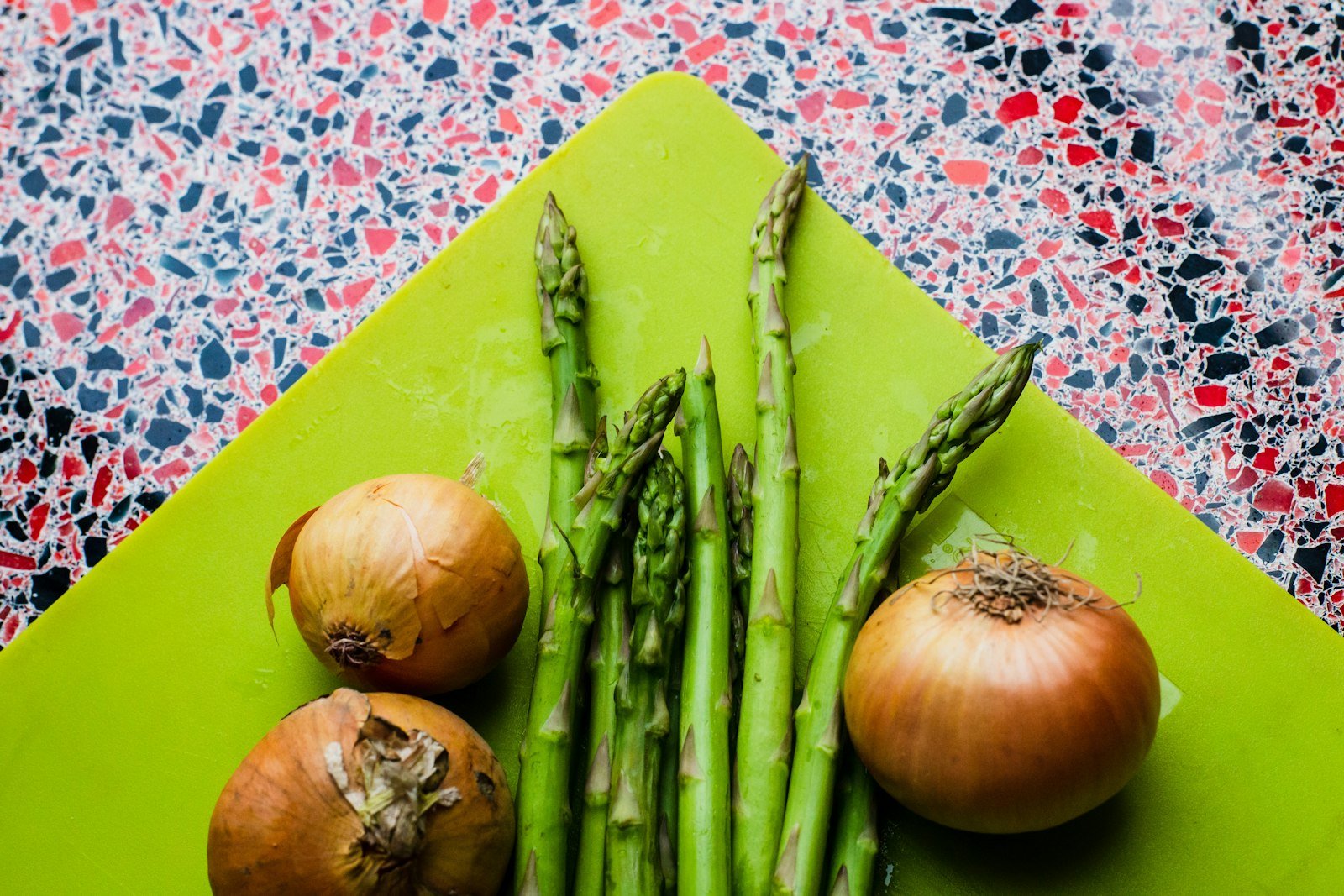
Well-established prebiotics include inulin, FOS (fructooligosaccharides), GOS (galactooligosaccharides) and TOS. Other fibers such as PHGG, acacia, polydextrose and resistant dextrins are fermented by gut bacteria too and are often marketed as prebiotic. The best prebiotic fiber supplement names its fiber clearly and gives enough of it.
Best Prebiotic Fiber Supplement Types Compared
| Prebiotic fiber | Evidence | Gas | Best for |
|---|---|---|---|
| Inulin / FOS (chicory root) | Strong | High | People without IBS who want a classic prebiotic |
| GOS | Strong | Medium | Bifidobacteria support; often in blends |
| Partially hydrolyzed guar gum (Sunfiber) | Good | Low | Sensitive stomachs, IBS, low-FODMAP diets |
| Acacia gum | Moderate | Low | Gentle daily prebiotic, organic blends |
| Wheat dextrin (Benefiber) | Moderate | Low to medium | Easy daily use, dissolves clear |
| Psyllium | Limited as prebiotic | Medium | Regularity and cholesterol more than microbiome |
Our Picks: Best Prebiotic Fiber Supplements
1. Best Prebiotic Fiber Supplement Overall: Sunfiber (PHGG) Products
Partially hydrolyzed guar gum is fermented slowly, so it feeds gut bacteria with less gas than inulin. It is low-FODMAP certified in some products, making it a strong choice for most people, including many with IBS.
2. Best Prebiotic + Probiotic: Regular Girl
Each 6 g scoop gives 5 g of Sunfiber plus Bifidobacterium lactis at 8 billion CFU (at time of manufacture), and it is certified low-FODMAP. It works the same for men despite the name. See best fiber supplement for women.
3. Best Organic Prebiotic: Garden of Life Dr. Formulated Organic Fiber
An organic blend of acacia, apple, orange, baobab and cranberry that gives 5 g of fiber (4 g soluble) per tablespoon. It is psyllium-free, vegan and gentle.
4. Best Classic Prebiotic: Organic Inulin Powder
Single-ingredient inulin powders from chicory or agave give the most-studied prebiotic at a low cost. Start with half a teaspoon, because inulin causes the most gas of any fiber here.
5. Best Budget Prebiotic: Benefiber
Benefiber uses wheat dextrin, a fermentable fiber that dissolves clear and gives 3 g per 2 teaspoons. It is a mild, easy daily prebiotic top-up.
How Much Prebiotic Fiber Do You Need?
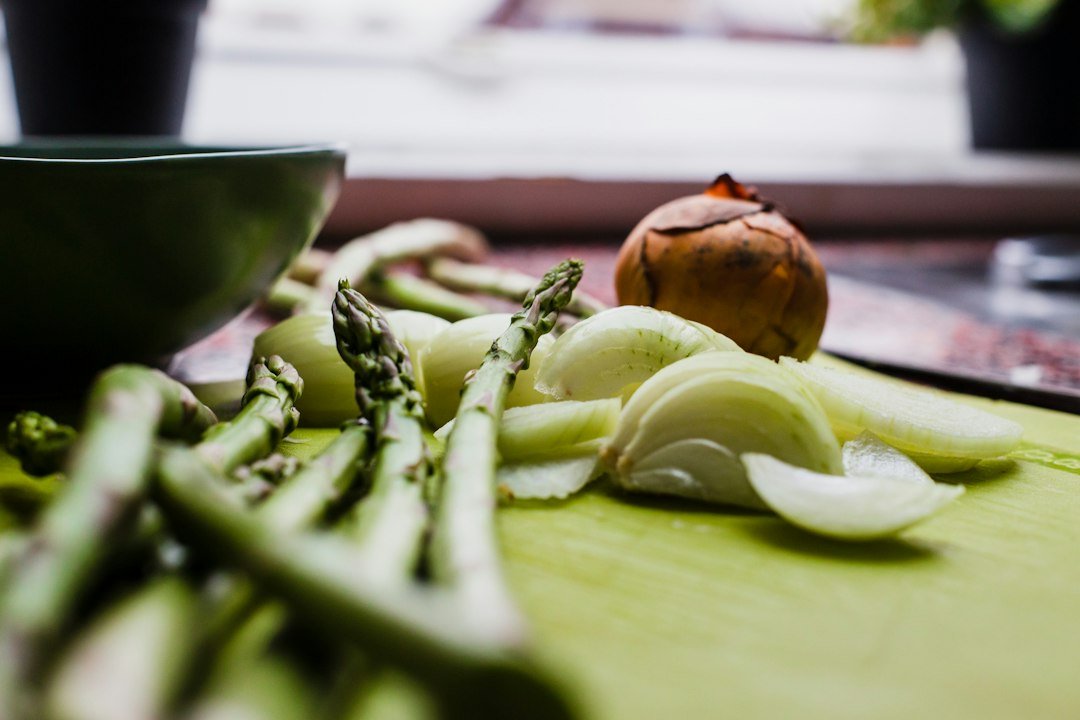
ISAPP consumer guidance suggests 5 to 8 g a day of FOS or GOS for a prebiotic effect in adults. Smaller amounts, such as the tiny doses in many capsules, may not do much. Prebiotic foods like leek, asparagus, chicory, garlic, onion, banana, oats and wheat help too, but you would need large amounts to reach those doses from food alone.
How to Start a Prebiotic Without Bloating
- Start with 2 to 3 g a day for the first week.
- Increase by 1 to 2 g each week toward 5 to 8 g a day.
- Take it with food and plenty of water.
- Choose PHGG or acacia if inulin bloats you.
- Keep it 2 hours away from medicines.
Do You Need a Probiotic Too?
Not necessarily. A prebiotic feeds the beneficial bacteria you already have. A combined “synbiotic” product is convenient, but you can also take a separate probiotic if you want a specific strain. For most people, the best prebiotic fiber supplement plus a fiber-rich diet is the foundation, and a probiotic is optional.
Prebiotic vs Regular Fiber Supplements
If your main goal is constipation or cholesterol, a gel-forming fiber like psyllium will usually do more than a prebiotic. If your goal is supporting the microbiome, choose a fermentable prebiotic. Many people combine both. Compare options in our best fiber supplement guide and best fiber supplement for constipation.
Frequently Asked Questions
What is the best prebiotic fiber supplement?
For most people, the best prebiotic fiber supplement is a gentle, well-studied fiber such as partially hydrolyzed guar gum (Sunfiber) or acacia, because they cause less gas than inulin. Choose a clearly labeled inulin, FOS or GOS product if you tolerate fermentable fibers well.
What is the best probiotic and fiber supplement?
A combined product such as Regular Girl, which pairs 5 g of Sunfiber with Bifidobacterium lactis (8 billion CFU at manufacture), is a convenient option. You can also take a separate probiotic and a separate fiber.
How much prebiotic fiber should I take a day?
Expert consumer guidance from ISAPP suggests 5 to 8 g a day of FOS or GOS for a prebiotic effect in adults. Start with 2 to 3 g and increase slowly to limit gas.
Is inulin a good prebiotic?
Yes, inulin is one of the best-studied prebiotics. It is also one of the gassiest, so it suits people without IBS who start at a low dose.
What is the best fiber supplement for gut health?
A mix of gentle prebiotic fiber, such as PHGG or acacia, plus a gel-forming fiber like psyllium covers both feeding gut bacteria and keeping bowel habits regular.
Are prebiotics and probiotics the same?
No. Probiotics are live beneficial microbes. Prebiotics are fibers and compounds that feed the beneficial microbes already in your gut.
Can prebiotic fiber cause bloating?
Yes. Fermentable fibers produce gas as bacteria break them down. Inulin causes the most; PHGG and acacia usually cause less. Lowering the dose often helps.
Is prebiotic fiber powder better than capsules?
Powder makes it easier to reach an effective dose of several grams. Capsules usually contain too little to match the amounts used in studies.
The Bottom Line
The best prebiotic fiber supplement names its fiber, provides about 5 to 8 g a day, and suits your stomach. Sunfiber and acacia are the gentlest; inulin, FOS and GOS have the most research but cause more gas. Start low, go slow, and pair your prebiotic with plenty of fiber-rich foods.
References
- International Scientific Association for Probiotics and Prebiotics (ISAPP). Prebiotics consumer guidelines.
- Prebiotics and gut health: mechanisms, clinical evidence, and future directions. PMC review.
- Regular Girl (Sunfiber + B. lactis): supplement facts.
- Garden of Life Dr. Formulated Organic Fiber: supplement facts.
- Benefiber Fiber Supplement Powder: product information.



Leave a Reply