
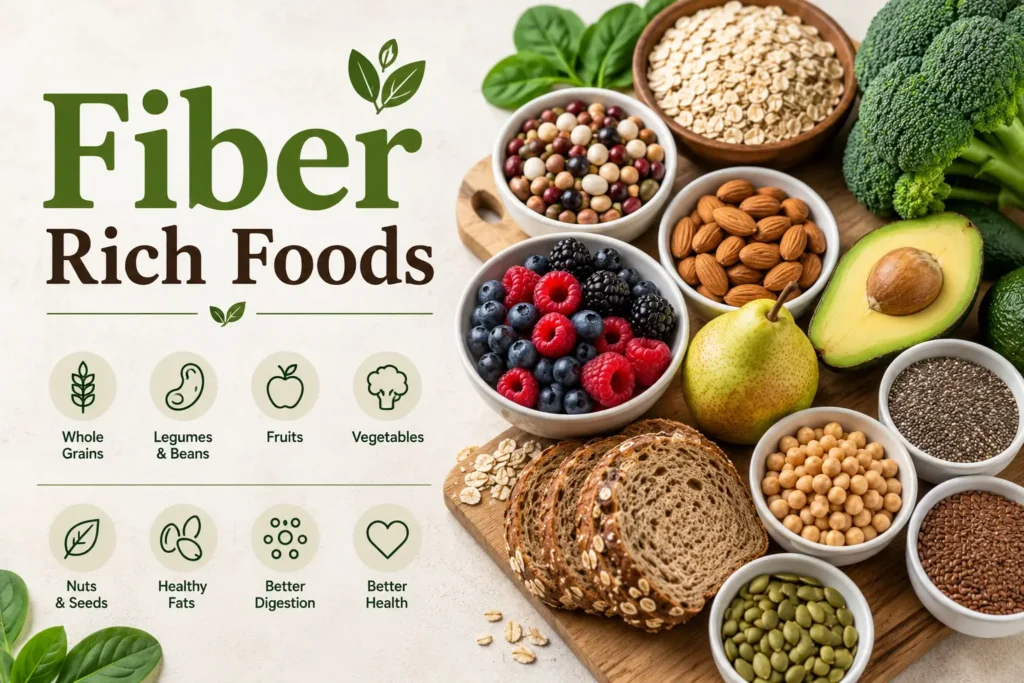
The best fiber rich foods include legumes (lentils, black beans, chickpeas), whole grains (oats, barley, quinoa), fruits (raspberries, pears, avocados), vegetables (artichokes, broccoli, Brussels sprouts), and nuts and seeds (chia, flaxseed, almonds). Most adults need 25 to 38 grams of fiber a day, and a mix of these foods can help you reach that target without supplements.
Most people fall short of that number. The average adult in the U.S. gets only about half of the recommended amount, which is one reason digestive issues, blood sugar swings, and low energy are so common. The good news is that closing the gap doesn’t require a complicated diet overhaul. It comes down to knowing which foods to reach for and how to build them into meals you already eat.
This guide breaks down the best fiber rich foods by category, explains the difference between soluble and insoluble fiber, and gives you practical ways to hit your daily target without feeling like you’re eating a bowl of cardboard.
Table of Contents
What Counts as a Fiber Rich Food?
Fiber is the part of plant food that your body can’t fully digest. It passes through your digestive system mostly intact, which is exactly what makes it useful. Unlike fats, proteins, and carbohydrates, fiber doesn’t get broken down into sugar or absorbed into your bloodstream in the usual way.
A food is generally considered “high fiber” when it provides at least 5 grams of fiber per serving. Foods with 2.5 to 4.9 grams per serving are considered a “good source.” Only plant foods contain fiber. Meat, dairy, eggs, and oils have none, no matter how healthy they otherwise are.
Soluble vs. Insoluble Fiber: Why the Difference Matters
Not all fiber works the same way in your body, and the best high-fiber diets include both types.
Soluble fiber dissolves in water and forms a gel-like substance in your gut. It slows digestion, helps regulate blood sugar, and can help lower LDL cholesterol. You’ll find it in oats, beans, apples, and psyllium.
Insoluble fiber does not dissolve in water. It adds bulk to stool and helps food move through your digestive tract more efficiently, which supports regularity. It’s found in whole wheat, nuts, and the skins of fruits and vegetables.
Most whole plant foods contain a combination of both, just in different ratios. If you’re specifically comparing the two in more depth, this breakdown of soluble vs insoluble fiber covers how each type affects digestion differently.
The Best Fiber Rich Foods by Category
Legumes: The Fiber Heavyweights
Legumes consistently top every list of foods rich in fiber, and for good reason. A single cup of cooked lentils delivers roughly 15 grams of fiber, more than half the daily target in one bowl.
| Food (cooked, 1 cup) | Fiber (grams) |
| Lentils | 15.6 |
| Split peas | 16.3 |
| Black beans | 15.0 |
| Chickpeas | 12.5 |
| Kidney beans | 11.3 |
| Navy beans | 19.1 |
Legumes are also inexpensive, shelf-stable, and versatile, which makes them one of the most practical entry points if you’re trying to raise your fiber intake without buying anything exotic.
Whole Grains
Refined grains like white bread and white rice have had most of their fiber stripped away during processing. Whole grains keep the bran and germ intact, which is where the fiber lives.
| Food (cooked, 1 cup) | Fiber (grams) |
| Barley | 6.0 |
| Quinoa | 5.2 |
| Oats (rolled) | 4.0 |
| Bulgur | 8.2 |
| Brown rice | 3.5 |
| Whole wheat pasta | 6.3 |
Oats deserve a specific mention because they contain beta-glucan, a soluble fiber that has some of the strongest research behind it for supporting healthy cholesterol levels.
Vegetables
Vegetables tend to be lower in fiber per calorie than legumes or grains, but they make up for it in volume. You can eat large portions without much calorie cost.
| Food (1 cup, prepared) | Fiber (grams) |
| Artichoke (cooked) | 10.3 |
| Green peas | 8.8 |
| Broccoli (cooked) | 5.1 |
| Brussels sprouts (cooked) | 4.1 |
| Sweet potato (with skin) | 3.8 |
| Carrots | 3.6 |
Artichokes are the standout here and one of the most underrated fiber sources on the entire list.
Fruits
Fruit fiber is often overlooked because people assume fiber lives mainly in vegetables and grains. Certain fruits are just as competitive, especially when eaten with the skin on.
| Food (1 cup or 1 medium) | Fiber (grams) |
| Raspberries | 8.0 |
| Pear (with skin) | 5.5 |
| Apple (with skin) | 4.4 |
| Avocado (half) | 6.7 |
| Banana | 3.1 |
| Orange | 3.1 |
Avocado is unusual because it delivers fiber alongside healthy fats, which is part of why it’s become a staple in high-fiber meal planning.
Nuts and Seeds
Nuts and seeds are calorie-dense, so portion size matters, but they’re some of the most concentrated fiber sources by weight.
| Food (1 oz / 28g) | Fiber (grams) |
| Chia seeds | 9.8 |
| Flaxseed (ground) | 7.6 |
| Almonds | 3.5 |
| Chickpeas (roasted) | 5.0 |
| Pistachios | 2.9 |
| Sunflower seeds | 3.0 |
Chia and flaxseed are worth keeping in your pantry specifically because a single tablespoon can meaningfully move your daily total, and both blend easily into oatmeal, smoothies, or yogurt.
Foods Rich in Fiber: A Combined Comparison Table
If you want a fast reference for choosing between food groups, here’s how they stack up per typical serving:
| Food Group | Fiber per Serving | Best For |
| Legumes | 11–19g | Highest total fiber, protein too |
| Seeds (chia, flax) | 7–10g | Small portions, easy to add to meals |
| Whole grains | 3–8g | Everyday staple, easy to eat daily |
| Vegetables | 3–10g | High volume, low calorie |
| Fruits | 3–8g | Easy snacking, natural sweetness |
| Nuts | 2–4g | Convenient, but calorie-dense |
How Much Fiber Do You Actually Need?
According to general dietary guidance, most adult women need around 25 grams of fiber per day, and most adult men need around 38 grams. These numbers tend to decrease slightly with age, since calorie needs also decrease.
For context, one cup of lentils and one apple with the skin on already gets you close to 20 grams, which shows how achievable these targets are once you know where to look.
What Competitors Rarely Explain: Why “Eating More Fiber” Often Backfires
Most articles on this topic list foods and stop there. A few things matter just as much as the list itself.
Sudden increases cause bloating and gas. Your gut bacteria need time to adjust to a higher fiber load. Jumping from 15 grams a day to 35 grams overnight is the single most common reason people quit high-fiber eating within a week. Increasing intake gradually over 1 to 2 weeks avoids most of this discomfort.
Fiber without water backfires. Fiber absorbs water as it moves through your digestive tract. Without enough fluid intake, higher fiber intake can actually worsen constipation instead of relieving it.
Not all “high fiber” foods are equal in practice. A fiber-fortified cereal might list 10 grams of fiber on the label, but much of that can come from added isolated fibers like inulin or chicory root, which behave differently in the gut than fiber from whole foods and can cause more gas in sensitive individuals.
Fiber timing affects how it works. Soluble fiber taken with a meal slows digestion and blunts blood sugar spikes. The same fiber taken on an empty stomach doesn’t have food to interact with, so its blood-sugar-related benefit is reduced.
Common Mistakes People Make When Trying to Eat More Fiber
- Relying only on fruit and ignoring legumes, which have far more fiber per serving
- Peeling fruits and vegetables, which removes a large share of the insoluble fiber
- Increasing fiber intake without also increasing water intake
- Assuming all “whole grain” labels mean high fiber, when some only contain small amounts
- Adding several new high-fiber foods in the same week instead of spacing out the change
Food vs. Supplements: Do You Need Both?
Whole foods are generally the better starting point because they come with additional nutrients, water content, and natural variety that a single supplement can’t replicate. That said, some people struggle to consistently reach 25 to 38 grams through food alone, particularly with a busy schedule or limited access to fresh produce.
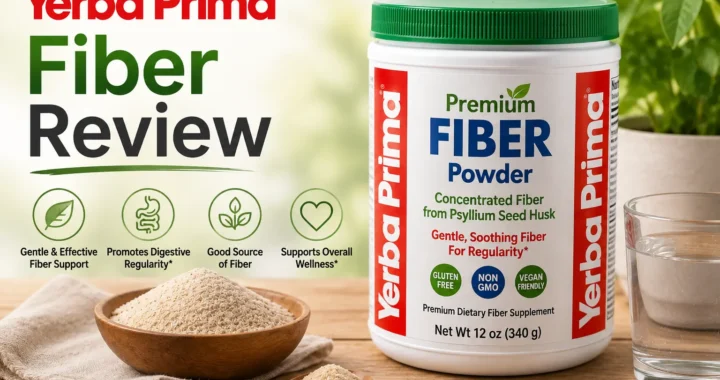
In those cases, a fiber supplement can help close the gap rather than replace real food entirely. If you’re weighing the two approaches, this comparison of fiber supplements vs fiber foods walks through when each option makes more sense. For anyone specifically dealing with irregularity, the guide on high fiber foods goes deeper into food-first strategies before supplementing.
A Simple Day of High-Fiber Eating
- Breakfast: Oatmeal with chia seeds and a sliced pear (roughly 12–14g fiber)
- Lunch: Lentil soup with a side salad including carrots and broccoli (roughly 14–16g fiber)
- Snack: A handful of almonds and an apple with the skin on (roughly 8g fiber)
- Dinner: Quinoa bowl with black beans, roasted Brussels sprouts, and avocado (roughly 15–18g fiber)
A day structured this way lands comfortably within, or above, the recommended range without needing a single supplement.
Frequently Asked Questions
What is the single best fiber rich food? Lentils and split peas are typically the most fiber-dense whole foods per serving, delivering 15 to 19 grams per cooked cup while also providing plant-based protein.
Can you get too much fiber? Yes. Very high intakes, especially increased too quickly, can cause bloating, gas, cramping, and in rare cases interfere with mineral absorption. Gradual increases with adequate water intake help avoid this.
Are fiber supplements as good as fiber rich foods? Supplements can help you reach a daily target, but whole foods provide fiber alongside vitamins, minerals, and water that isolated supplements don’t replicate. Food is generally the better foundation, with supplements used to fill gaps.
Do cooked vegetables lose fiber? No. Cooking does not meaningfully reduce fiber content. It may slightly soften insoluble fiber structures, but the total grams remain essentially the same as raw.
What fiber rich foods are best for constipation specifically? Foods higher in insoluble fiber, such as whole wheat, vegetable skins, and nuts, tend to help most with regularity. Combining these with adequate water intake is key. For a more targeted approach, this guide on best fiber supplement for constipation covers additional options.
How quickly should I increase my fiber intake? Most digestive systems adjust well when fiber intake increases gradually over 1 to 2 weeks, rather than all at once.
Final Takeaway
Fiber rich foods aren’t complicated once you know the categories that matter most: legumes, whole grains, vegetables, fruits, and seeds. Legumes and seeds give you the most fiber per serving, while vegetables and fruits let you eat in volume without excess calories.
The most reliable path to 25 to 38 grams a day isn’t a single miracle food. It’s a plate built from a few of these groups at each meal, increased gradually, and paired with enough water to let the fiber do its job.