
If you’re dealing with constipation, you’ve probably noticed that not all fiber supplements work the same way. Some soften stool. Some add bulk. Some ferment in your gut and cause gas. Picking the wrong one can leave you just as backed up — or worse, bloated and uncomfortable.
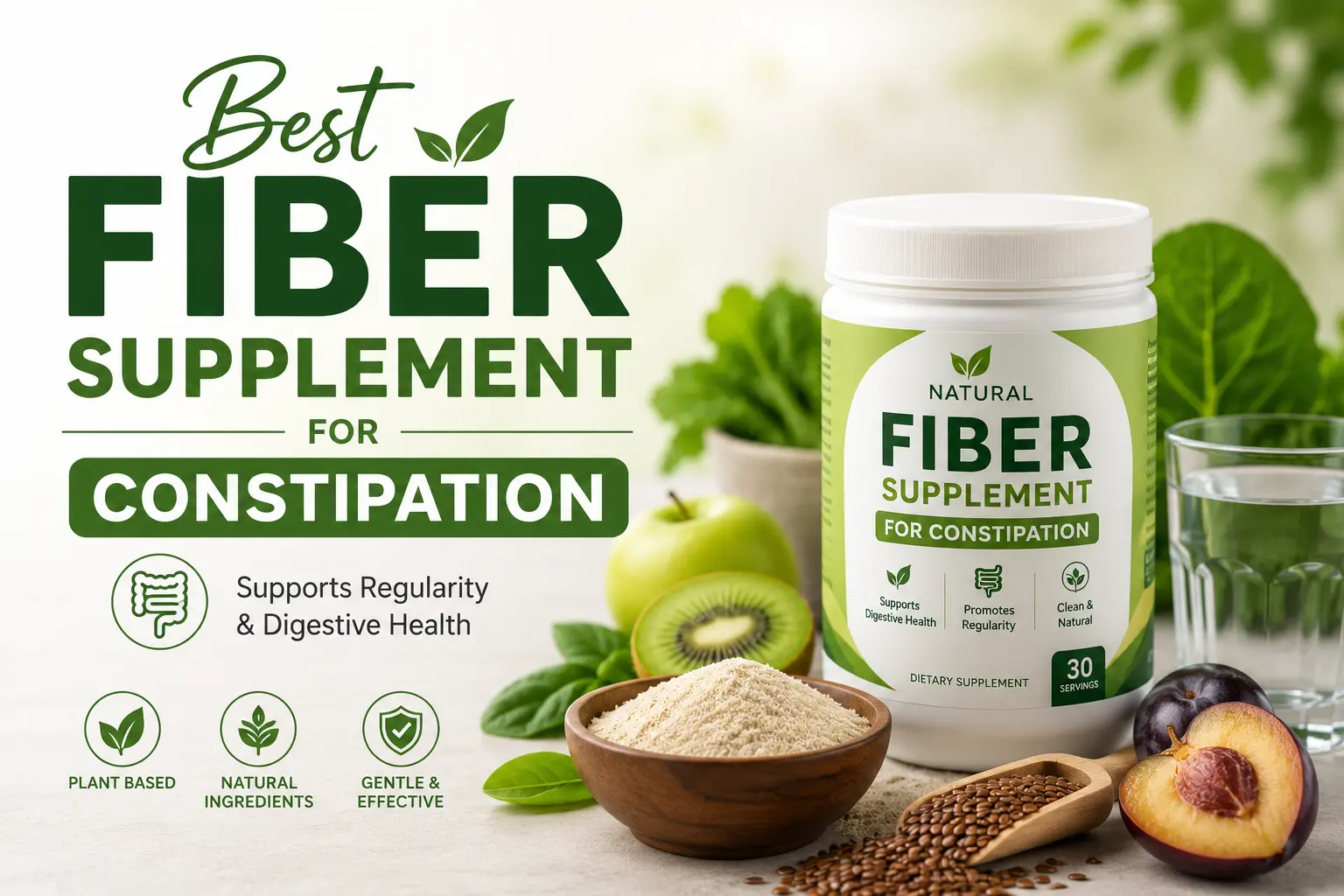
Quick answer: For most people, psyllium husk is considered the best fiber supplement for constipation because it’s a balanced fiber that both softens stool and adds bulk, with the strongest research behind it. Methylcellulose is a good alternative for people who find psyllium too gas-forming, while wheat dextrin and inulin work well for mild, occasional constipation but can cause more bloating in sensitive people.
This guide breaks down exactly how each fiber type works, which one fits your situation, and how to use fiber supplements correctly — something most product pages and review sites gloss over.
Table of Contents
How Fiber Supplements Actually Relieve Constipation
Fiber supplements work through one of two main mechanisms, and understanding this is the key to choosing the right one.
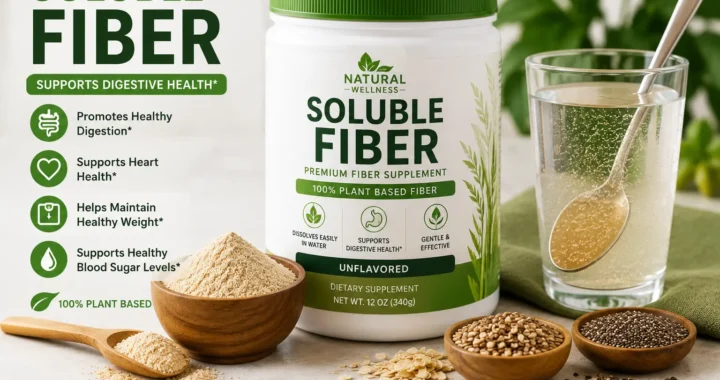
Soluble fiber dissolves in water and forms a gel-like substance in the digestive tract. This gel softens stool and helps it pass more easily. Psyllium is the best-known example.
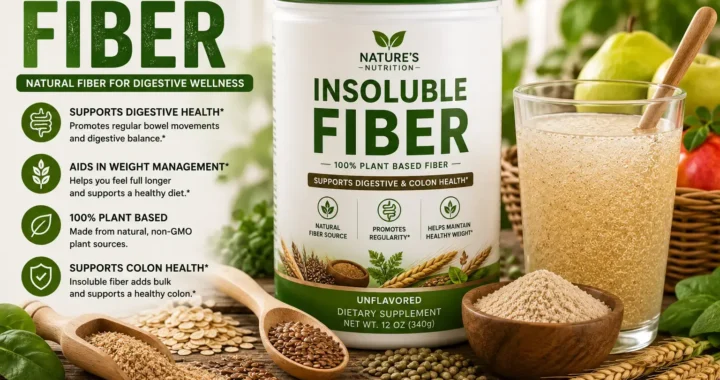
Insoluble fiber doesn’t dissolve. Instead, it adds physical bulk to stool, which stimulates the intestinal walls and speeds up transit time. Wheat bran is a common example.
Many effective constipation supplements, like psyllium, actually combine both properties — they gel and add bulk, which is part of why they tend to outperform single-mechanism fibers.
Some fibers also feed gut bacteria (these are called prebiotic fibers, like inulin), which can support digestion long-term but may cause more gas in the short term as bacteria ferment them.
Types of Fiber Supplements for Constipation
1. Psyllium Husk (Soluble + Gel-Forming)
Psyllium is derived from the seeds of the Plantago ovata plant. It’s widely regarded as one of the most researched fibers for constipation because it holds onto water exceptionally well, forming a soft, bulky stool that’s easier to pass.
- Best for: General constipation, IBS-related constipation, long-term regularity
- Common forms: Powder, capsules, wafers
- Watch for: Needs to be taken with plenty of water, or it can worsen blockage risk
2. Methylcellulose
Methylcellulose is a semi-synthetic fiber that isn’t fermented by gut bacteria. This makes it a popular choice for people who experience excessive gas or bloating with other fibers.
- Best for: People sensitive to gas/bloating, IBS with bloating as a major symptom
- Common forms: Capsules, caplets, powder
- Watch for: Slightly less “bulking” effect than psyllium for some users
3. Wheat Dextrin
Wheat dextrin is a soluble fiber derived from wheat starch. It dissolves clear in liquids, making it easy to add to drinks without changing texture much.
- Best for: People who want a flavorless, easy-to-mix option
- Common forms: Powder
- Watch for: Contains gluten-derived starch — generally considered gluten-free by processing standards, but people with celiac disease should check the label
4. Inulin / Chicory Root Fiber
Inulin is a prebiotic fiber that feeds beneficial gut bacteria. It’s often added to protein bars, drinks, and “gut health” powders.
- Best for: Mild, occasional constipation; general gut microbiome support
- Common forms: Powder, added ingredient in functional foods
- Watch for: Most likely of the group to cause gas and bloating, especially at higher doses
5. Calcium Polycarbophil
A synthetic fiber that absorbs water and forms a gel, similar in effect to psyllium but without the plant-based bulk.
- Best for: People who need a non-fermenting, low-gas bulking agent
- Common forms: Tablets
- Watch for: Less commonly available than psyllium or methylcellulose
Comparison Table: Fiber Supplements for Constipation
| Fiber Type | Mechanism | Gas/Bloating Risk | Best For | Taste/Texture |
| Psyllium Husk | Gels + bulks | Low–Moderate | General constipation, IBS-C | Slightly grainy |
| Methylcellulose | Bulks, non-fermenting | Very Low | Gas-sensitive users | Neutral |
| Wheat Dextrin | Soluble, gels lightly | Low–Moderate | Easy mixing into drinks | Dissolves clear |
| Inulin | Prebiotic, ferments | Moderate–High | Occasional, mild constipation | Slightly sweet |
| Calcium Polycarbophil | Bulks, non-fermenting | Very Low | Low-gas bulking need | Tablet, no taste |
Pros and Cons at a Glance
| Fiber | Pros | Cons |
| Psyllium | Strong evidence base, dual action, widely available | Needs adequate water intake, can bloat some users |
| Methylcellulose | Low gas, gentle | Slightly weaker bulking effect for some |
| Wheat Dextrin | Easy to mix, flavorless | Wheat-derived, less bulking power |
| Inulin | Supports gut bacteria long-term | Higher bloating/gas risk |
| Calcium Polycarbophil | Low gas, effective bulking | Less widely available |
How to Choose the Right Fiber Supplement
Use this simple decision framework:
- If you want the most evidence-backed, all-around option → Psyllium husk
- If gas and bloating are your main concern → Methylcellulose or calcium polycarbophil
- If you want something that mixes invisibly into drinks → Wheat dextrin
- If your constipation is mild and occasional, and you also want gut health benefits → Inulin
- If you have IBS with constipation (IBS-C) → Psyllium tends to be better tolerated than insoluble fibers like wheat bran, which can worsen IBS symptoms in some people
How to Use Fiber Supplements Correctly
Fiber only works well when used correctly. A few practical rules apply across all types:
- Increase slowly. Jumping straight to a full dose can cause cramping and gas. Start with a smaller amount and increase over 1–2 weeks.
- Drink enough water. Fiber needs water to do its job — without it, some fibers (especially psyllium) can worsen constipation instead of relieving it.
- Be consistent. Fiber supplements generally work best with regular daily use, not as a one-time fix.
- Give it time. Most people notice a difference within a few days to two weeks of consistent use.
- Separate from medications. Fiber can interfere with the absorption of certain medications — take it a few hours apart from prescription drugs unless your pharmacist or doctor advises otherwise.
Common Mistakes People Make
- Not drinking enough water — this is the single most common reason fiber supplements fail or backfire.
- Expecting overnight results — fiber is a gradual regulator, not a fast-acting laxative.
- Choosing insoluble fiber for IBS-related constipation — this can sometimes worsen bloating and discomfort.
- Taking too much, too fast — leads to gas, cramping, and discouragement.
- Using fiber alone for severe or long-term constipation without addressing underlying causes like low activity, dehydration, or certain medications.
When Fiber Supplements Aren’t Enough
Fiber supplements are generally suited for mild to moderate, everyday constipation. If constipation is severe, sudden, accompanied by pain, bleeding, or unintended weight loss, or if it doesn’t improve after a few weeks of consistent fiber use, it’s worth speaking with a doctor rather than relying on supplements alone. This article is educational and isn’t a substitute for personalized medical advice.
Frequently Asked Questions
What is the best fiber supplement for constipation overall? Psyllium husk is generally considered the best all-around option due to its balance of soluble and gel-forming properties and its strong track record in research on regularity.
Is soluble or insoluble fiber better for constipation? Soluble, gel-forming fibers like psyllium tend to be gentler and more effective for most people with constipation, especially those with IBS. Insoluble fiber can help some people but may worsen bloating in others.
How long does it take for fiber supplements to work? Most people notice improved regularity within a few days to two weeks of consistent daily use.
Can fiber supplements cause more constipation? Yes, if taken without enough water. Fiber absorbs water in the gut, and insufficient fluid intake can make stool harder rather than softer.
Is it better to get fiber from food or supplements? Whole foods are the preferred source of fiber when possible, since they also provide nutrients and variety. Supplements are useful when it’s hard to get enough fiber through diet alone.
Can I take fiber supplements every day? Yes, most fiber supplements are designed for daily use and are generally well tolerated long-term when introduced gradually and taken with adequate water.
Final Verdict
For most people dealing with constipation, psyllium husk stands out as the best fiber supplement thanks to its dual gelling-and-bulking action and strong body of supporting research. If gas or bloating is a bigger concern than bulking power, methylcellulose or calcium polycarbophil are worth trying instead. Inulin and wheat dextrin work best for mild or occasional constipation and easy daily mixing.
The right choice ultimately depends on your symptoms, sensitivity to gas, and personal preference for taste and texture — not just which product ranks highest.
For more detailed picks by category, see our full breakdown of the best fiber supplement options, or check our guide to the best fiber supplement for women if you’re looking for options tailored to women’s digestive needs.