If you are looking for the best fiber supplement for constipation, the research points clearly to one fiber: psyllium. But psyllium is not right for everyone, and the dose, water and timing matter as much as the product you choose. This guide compares the main fibers, shows what clinical trials found, and explains how to use fiber so it actually works.
Quick answer
The best fiber supplement for constipation is psyllium husk, such as Metamucil or plain psyllium powder. A 2022 meta-analysis found psyllium was the most effective fiber, working best at more than 10 g a day for at least 4 weeks. If psyllium gives you gas, choose methylcellulose (Citrucel). Always take fiber with a full glass of water.
Medical note: This is general information, not medical advice. See a doctor if constipation is new and lasts more than two weeks, or if you have blood in your stool, weight loss, severe pain, or vomiting.
Best Fiber Supplement for Constipation: Quick Comparison
| Fiber (brand example) | How well it works | Gas | Best for |
|---|---|---|---|
| Psyllium (Metamucil, plain husk) | Strongest evidence | Medium | Most people with constipation |
| Methylcellulose (Citrucel) | Good | Very low | People who get gas or bloating |
| Partially hydrolyzed guar gum (Sunfiber) | Moderate | Low | IBS-C and sensitive stomachs |
| Wheat dextrin (Benefiber) | Mild | Low to medium | Mild constipation, easy daily use |
| Inulin / chicory root | Mixed results | High | Gut health more than constipation |
| Wheat bran (food) | Moderate | Medium to high | People who prefer food over supplements |
What the Research Says
The best fiber supplement for constipation is backed by two key sources:
- A 2022 meta-analysis in the American Journal of Clinical Nutrition pooled 16 randomized trials. Overall, 66% of people taking fiber responded, compared with 41% on placebo. Psyllium and pectin had significant effects, and benefits were clearest at doses above 10 g a day taken for at least 4 weeks. Fiber also improved stool consistency but increased gas.
- The 2023 AGA and ACG guideline on chronic constipation suggests fiber supplements, such as psyllium, bran and inulin, as a first step. For people who still struggle, it strongly recommends the osmotic laxative polyethylene glycol.
In short, the best fiber supplement for constipation is psyllium, taken consistently at a meaningful dose, not occasionally at a small one.
Best Fiber Supplements for Constipation, Reviewed
1. Best Fiber Supplement for Constipation Overall: Metamucil (Psyllium)
Metamucil Sugar-Free gives 3 g of fiber per rounded teaspoon (6 g per two teaspoons) and can be taken up to three times a day. Psyllium forms a gel that holds water in the stool, softening hard stools and adding bulk. Products like this generally produce a bowel movement within 12 to 72 hours. Read our Metamucil review for the full breakdown.
2. Best No-Additive Option: Plain Psyllium Husk Powder
Same fiber as Metamucil, but without aspartame, color or flavor, and usually cheaper. It thickens quickly, so stir it into water or juice and drink it right away. See best psyllium husk supplement.
3. Best for Constipation Without Gas: Citrucel (Methylcellulose)
Gut bacteria cannot ferment methylcellulose, so it softens stool with very little gas. Caplets contain 500 mg each; adults start with 2 caplets with at least 8 oz of water, up to 6 times a day (maximum 12 caplets daily). It is often the best fiber supplement for constipation if you have bloating.
4. Best for IBS with Constipation: Sunfiber (Guar Gum)
Partially hydrolyzed guar gum mixes thin, ferments slowly and is low-FODMAP certified in products like Regular Girl (5 g per scoop). It is gentle enough for many people with IBS-C. See best fiber supplement for IBS.
5. Best Mild Daily Option: Benefiber (Wheat Dextrin)
Benefiber dissolves clear in any drink and gives 3 g per 2 teaspoons. It does not form a gel, so it is better for mild constipation or as a daily top-up than for stubborn cases.
How to Take Fiber for Constipation So It Works
- Start low: 3 to 5 g a day for the first week.
- Build up: add one serving every week toward 10 g a day or more, as tolerated.
- Drink water: at least 8 oz with each dose and more through the day. Fiber without fluid can make constipation worse.
- Be consistent: take it at the same time daily, often with breakfast.
- Give it 4 weeks: research shows the full benefit takes about a month.
- Space it from medicines: at least 2 hours before or after.
For timing details, see best time to take fiber supplement.
Foods That Help With Constipation
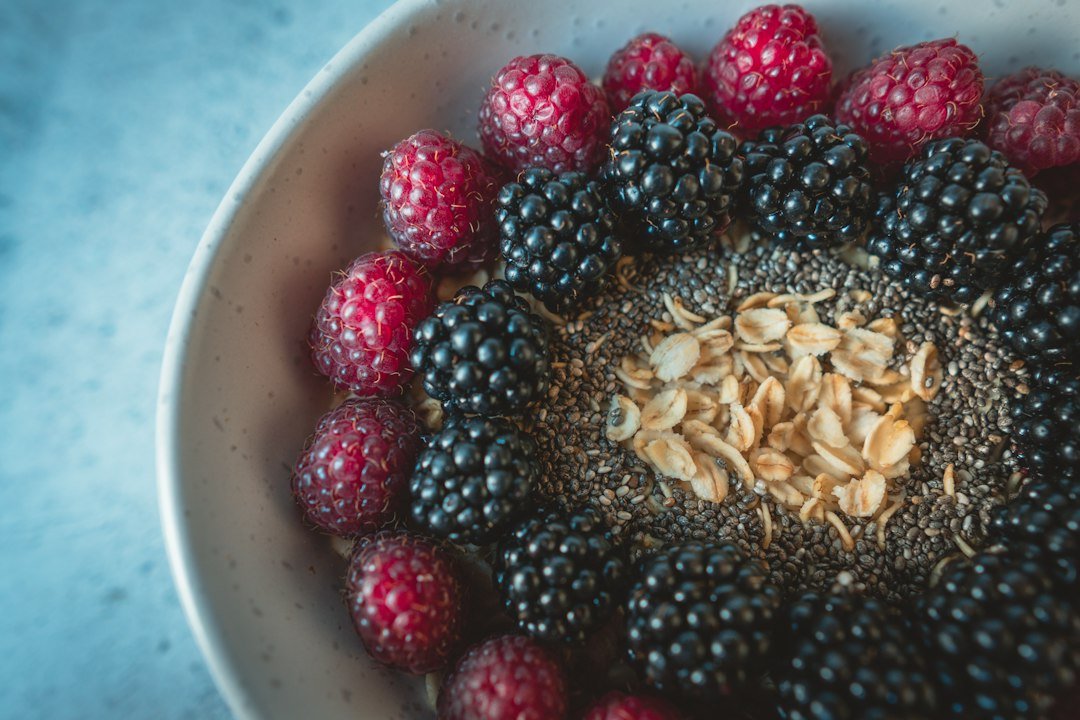
Even the best fiber supplement for constipation works better alongside fiber-rich food. Good choices include prunes, pears, kiwifruit, berries, oats, chia and flax seeds, beans, lentils and vegetables. Most adults need about 25 g (women) to 38 g (men) of fiber a day, yet only about 7% of US adults reach that target.
When Fiber Is Not Enough
If you have taken fiber consistently for four weeks with enough water and are still constipated, talk to your doctor. Options include polyethylene glycol, which US guidelines strongly recommend, and other treatments. Some causes of constipation, such as pelvic floor problems or slow-transit constipation, respond poorly to fiber and need a different approach.
Who Should Talk to a Doctor First
- People with trouble swallowing or a history of bowel narrowing or blockage.
- Anyone with a sudden change in bowel habits lasting more than two weeks.
- People with rectal bleeding, unexplained weight loss or severe pain.
- Pregnant women, children, and people on daily medicines, including GLP-1 drugs.
On Ozempic, Wegovy or Zepbound? Read best fiber supplement for GLP-1 users.
Frequently Asked Questions
What is the best fiber supplement for constipation?
Psyllium husk is the best fiber supplement for constipation. An analysis of 16 clinical trials found psyllium was the most effective fiber, especially at doses above 10 grams a day taken for at least 4 weeks. Methylcellulose is the best alternative if psyllium causes gas.
Which fiber supplement is best for constipation: Metamucil, Citrucel or Benefiber?
Metamucil (psyllium) has the strongest evidence. Citrucel (methylcellulose) works well with less gas. Benefiber (wheat dextrin) is gentler and mixes clear, but does less to soften and bulk stool.
What fiber is best for constipation?
Soluble, gel-forming fiber such as psyllium is best. It holds water in the stool, making it softer and easier to pass. Insoluble bran can help some people but often causes more bloating.
How much fiber should I take for constipation?
Start with 3 to 5 grams a day and increase slowly. Research found the best results at more than 10 grams a day from a supplement, taken for at least 4 weeks, along with plenty of water.
How long does fiber take to relieve constipation?
Psyllium products generally produce a bowel movement in 12 to 72 hours. Full improvement in stool frequency and consistency can take 2 to 4 weeks of daily use.
What is the best daily fiber supplement for constipation?
A daily psyllium powder, such as Metamucil Sugar-Free or plain psyllium husk, taken at the same time each day with a full glass of water, is the best daily routine for most people.
What is the best fiber supplement for constipation for women?
The same fibers work for women and men. Psyllium is the first choice, and partially hydrolyzed guar gum (Sunfiber) is a gentle option for women with IBS or bloating. Ask a doctor first during pregnancy.
Can fiber make constipation worse?
Yes, if you do not drink enough water or increase the dose too fast. Fiber needs fluid to work. If constipation gets worse, lower the dose, drink more, and talk to your doctor.
The Bottom Line
The best fiber supplement for constipation is psyllium husk, taken daily with plenty of water and built up to more than 10 grams a day over a few weeks. Choose methylcellulose if psyllium makes you gassy, and Sunfiber if you have IBS. If four weeks of consistent fiber does not help, see your doctor. Compare all options in our best fiber supplement guide.
References
- van der Schoot A, Drysdale C, Whelan K, Dimidi E. Efficacy of fiber supplementation in adults with chronic constipation: an updated systematic review and meta-analysis of randomized controlled trials. Am J Clin Nutr. 2022;116(4).
- AGA and ACG joint guideline on chronic idiopathic constipation, 2023.
- Metamucil 4-in-1 Sugar-Free: nutrition facts and warnings.
- Citrucel (methylcellulose): dosing and warnings, Drugs.com.
- Regular Girl (Sunfiber): supplement facts.
- American Society for Nutrition. Just 7% of adults meet fiber recommendations, 2021.