
Insoluble fiber is the “roughage” in wheat bran, nut skins and vegetable peels. It does not dissolve in water. Instead, it adds bulk and speeds stool through the gut. If you are looking for the best insoluble fiber supplement, you probably want faster, bulkier bowel movements. But pure insoluble fiber supplements are rare, and they are not right for everyone.
This guide explains what insoluble fiber does, which supplements contain it, who should avoid it, and the smarter mixed options most experts prefer.
Quick answer
The best insoluble fiber supplement for most people is a wheat bran or mixed-fiber product, or calcium polycarbophil (FiberCon), which acts like insoluble fiber in the gut. For constipation, however, guidelines favor soluble psyllium, which also contains some insoluble fiber. Avoid insoluble fiber if you have IBS, since it can worsen pain and bloating.
Medical note: Talk to your doctor before using a high-bulk fiber if you have a bowel narrowing, past bowel surgery, Crohn’s disease, IBS, or trouble swallowing.
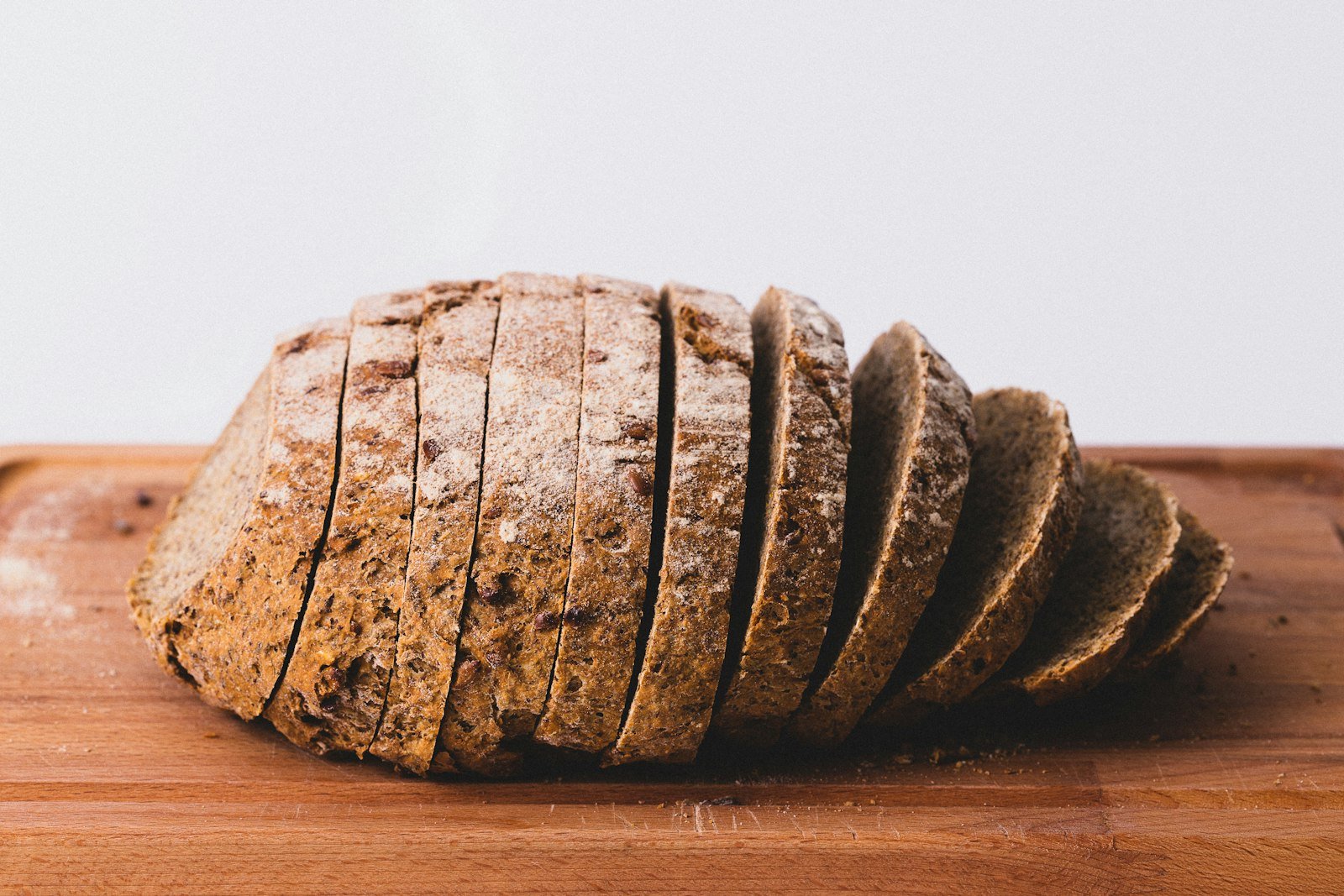
What Insoluble Fiber Does
- Adds bulk: it holds its shape, so stool is larger.
- Speeds transit: bulkier stool moves faster through the colon.
- Is lightly fermented: gut bacteria break down little of it, so it makes less gas than some soluble fibers.
- Does not form a gel: so it does not lower cholesterol or blood sugar the way soluble fiber can.
Mayo Clinic experts note that both soluble and insoluble fiber matter for health, and most plant foods contain a mix of both.
Soluble vs. Insoluble Fiber at a Glance
| Feature | Insoluble fiber | Soluble fiber |
|---|---|---|
| Dissolves in water | No | Yes, forms a gel |
| Main effect | Bulk and faster transit | Softer stool, slower digestion |
| Cholesterol benefit | No | Yes (psyllium, oat beta-glucan) |
| Good for IBS | Often worse | Often better |
| Food sources | Wheat bran, nuts, skins | Oats, beans, psyllium, apples |
Best Insoluble Fiber Supplement Options
1. Wheat bran (powder or flakes)
Wheat bran is the classic insoluble fiber. Unprocessed bran can be stirred into cereal, yogurt or smoothies. It works for many people, but can cause bloating and contains gluten.
2. Calcium polycarbophil (FiberCon)
A synthetic bulk fiber that absorbs water and adds bulk. It comes as caplets, so it is easy to dose. Read our FiberCon vs Metamucil comparison.
3. Cellulose and mixed-fiber blends
Some blends combine cellulose, flax, bran and psyllium. These give you both fiber types in one scoop and are a good middle ground.
4. Psyllium husk (mostly soluble, partly insoluble)
Psyllium is about 70% soluble and 30% insoluble. The AGA and ACG constipation guideline supports fiber supplements, and psyllium is the best-studied. For many people it beats a pure insoluble product. See our best psyllium husk supplement picks.
Who Should Avoid Insoluble Fiber
- People with IBS, especially IBS with pain or bloating.
- People with a narrowed bowel or past bowel blockage.
- People with active Crohn’s flare-ups.
- Anyone with slow-transit constipation that gets worse with bran.
How to Take an Insoluble Fiber Supplement
- Start with a small amount, such as 1 tablespoon of bran or 1 caplet.
- Increase slowly over 1 to 2 weeks.
- Drink at least 8 oz of water with each dose.
- Stop and see a doctor if you get severe pain or bloating.
Most adults need 25 to 34 grams of total fiber a day, and the American Society for Nutrition reports only about 7% of adults reach it.
Frequently Asked Questions
What is the best insoluble fiber supplement?
Wheat bran, mixed-fiber blends, or calcium polycarbophil (FiberCon) are the best insoluble fiber supplement options for most people. For constipation, psyllium is often a better choice.
Is Metamucil soluble or insoluble?
Metamucil is psyllium, which is mostly soluble with some insoluble fiber.
Is insoluble fiber good for constipation?
It can help by adding bulk, but some people bloat. Guidelines favor psyllium for chronic constipation.
Is insoluble fiber bad for IBS?
Insoluble fiber often worsens IBS pain and bloating. Soluble fiber such as psyllium is preferred.
The Bottom Line
The best insoluble fiber supplement depends on your gut. Wheat bran and FiberCon add bulk, but psyllium gives a better balance for most people. Learn more in our best soluble fiber supplement guide.




Leave a Reply